The title is advice I knew, but didn’t take! Due to a forecasted (yet not fully materialized) day of rain, as well as my botched attempt to visit a famous windmill site (it would have taken 3 hours one way because transit out of Wageningen isn’t easy), I gave up and decided to stay in the housing complex today.
I rested, planned, did laundry, and hung my clothes up to dry on the clothesline which runs across the main hallway. I also purchased a pre-loaded SIM card for 20 Euros so I can use some cell data.
Today, with Aoife and her boyfriend, I discussed more about Dutch food and political issues. They say that, much like in the U.S., there is currently a labor shortage here, especially for “unskilled” labor. Apparently the Dutch government is considering importing “troubled” French youth to take the jobs. About this, I heard something like: “Not French! Couldn’t they at least choose a country where people are nice?” We compared the situation of workers from Mexico in the U.S. to temporary workers here from Turkey and Morocco. I was told that there is discrimination here against those groups.
I will use this opportunity to discuss some Dutch history. So, the Netherlands started as medieval statelets in the “Low Countries”. Today the Netherlands is very densely populated, with an aging population. However, the country is also one of the most socially tolerant. The Dutch were the first to legalize gay marriage nationwide. Prostitution, marijuana, and euthanasia are all accessible (albeit regulated). This spirit of tolerance was evident as early as the 16th and 17th centuries, when the Dutch rejected rigid monarchy and sailed merchant ships across the world. Because of this tolerance, the country (especially the prosperous western provinces) has attracted many immigrants fleeing persecution since the 1500s. In the 1900s, immigrants from the former Dutch overseas colonies (such as Surinam and Indonesia) came and integrated into the Netherlands as well.
The Dutch reputation for tolerance was tested in the late 20th and early 21st centuries, when an increase in immigration of Muslims from Turkey and Morocco and a populist turn in politics resulted in growing nationalism and xenophobia, marked by two race-related political assassinations: one in 2002 (anti-immigrant politician Pim Fortuyn) and the second 2004 (filmmaker Theo van Gogh). The government’s also created a requirement that immigrants pass an expensive ‘‘integration’’ test before they enter the country (relating to Dutch language and culture).
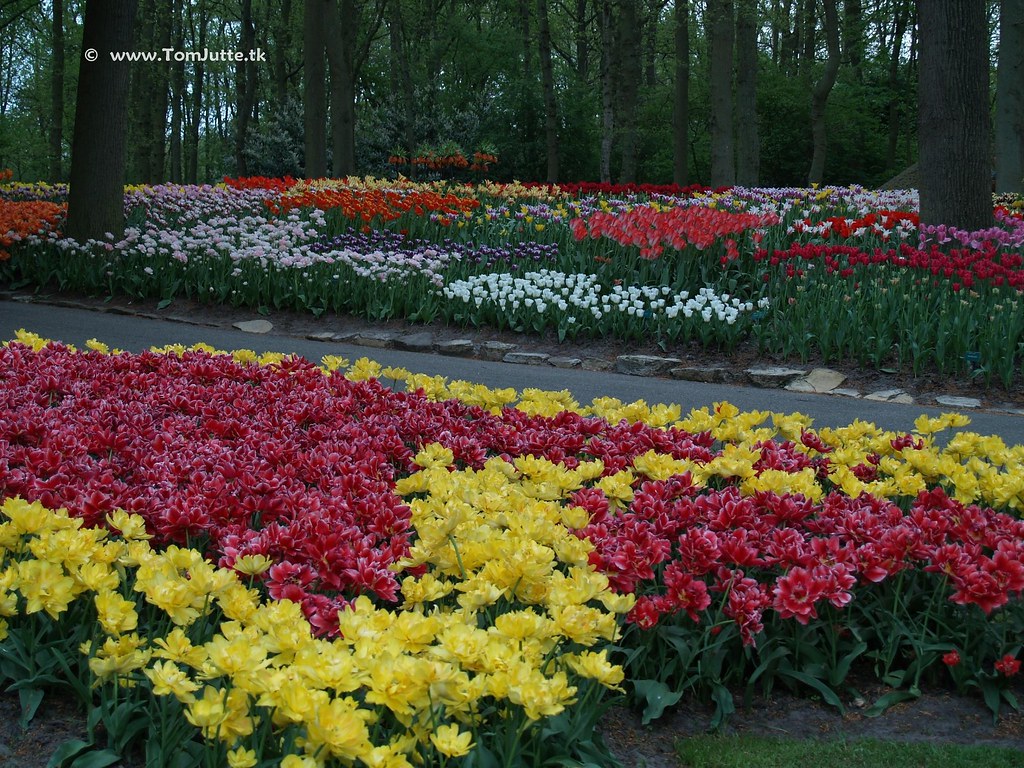
So… how much do you know about the Netherlands? Maybe you’re aware of Amsterdam’s Red Light district, a warren of historical alleyways known as De Wallen. Maybe you think of wooden shoes, lace caps, tulips, and windmills, which are the cliche images of the country. (To be fair, flowering bulbs and tulips do remain an important export and are celebrated in numerous festivals.)
There’s two big “Netherlands legends” well-known in America that I want to discuss on this blog: tulip mania, and the little Dutch boy.
If you are interested in economics, you may already have heard the story of Dutch tulpenmanie (“tulip mania”). This took place during the “Dutch Golden Age,” which spanned from 1588 (the birth of the Dutch Republic) to 1672 (the Rampjaar, “Disaster Year”), in which Dutch trade, science, and art and the Dutch military were among the most acclaimed in Europe.
Tulip bulbs, along with other new plant life like potatoes, peppers, tomatoes and other vegetables, came to Europe during this time. Tulips cultivated in the Netherlands soon became a status symbol due to their vibrant colors. In 1634, prices for certain bulbs of the recently introduced and fashionable tulip soared, and then dramatically collapsed in 1637. Men made and lost fortunes overnight by buying and selling “bulb contracts,” or the right to purchase bulbs at a certain price. At the height of speculation, some tulip color variants could cost five times as much as an average house. Tulpenmanie is generally considered to have been the first recorded speculative bubble or asset bubble in history, and is now often used metaphorically to refer to any economic bubble when asset prices deviate from intrinsic values. In the modern day, some examples are: the 90s Beanie Baby craze, the housing speculation that preceded the 2008 Great Recession, and the modern non-fungible token (NFT) trend.
Meanwhile… contrary to what many Yankees think, the story of the “little Dutch boy plugging the dike with his finger overnight” is an invention by an American novelist. Most Netherlanders do not know the story. However, for tourism purposes, at least three statues of the “little Dutch boy” have been erected in the country across various locations.


2 responses to “Day IV: A trip well begun is a trip half done. Also, more history”
One of the benefits of a longer trip is the opportunity for pacing yourself—glad you had some time to relax and hang with some of the locals. Enjoying the blog a lot!
LikeLike
The tulip bulb history is fascinating. Who could have imagined such a thing?
LikeLike