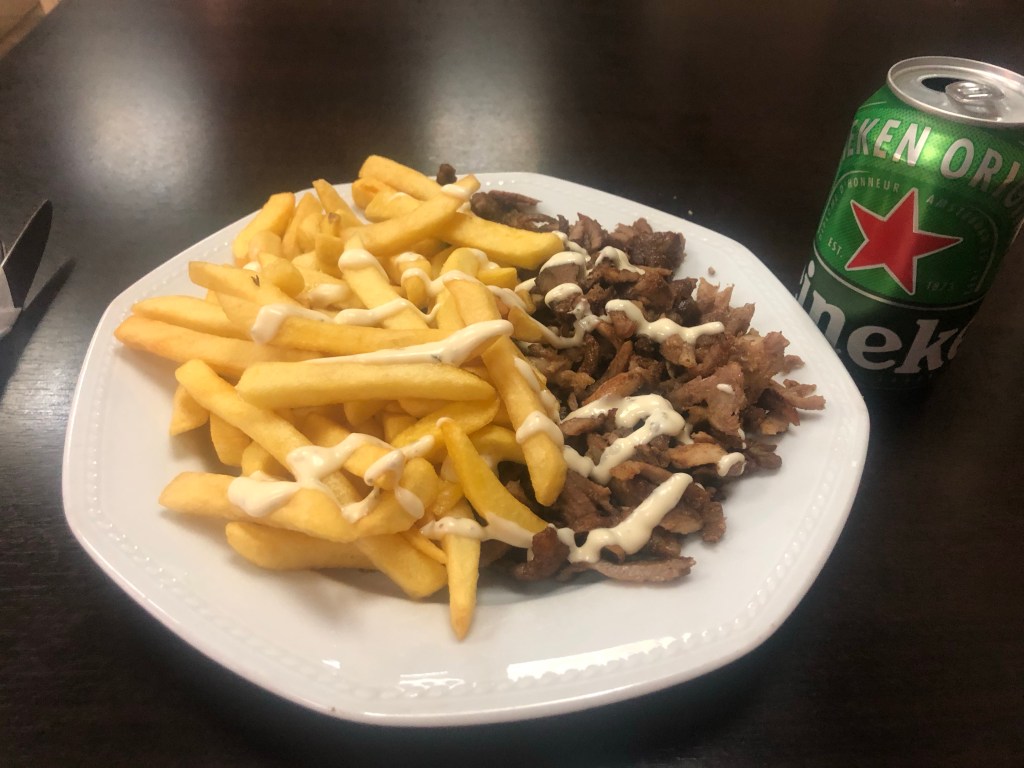
Eating “drunk food” from various cultures is always a treat. At UCLA, students would stumble down for it from the frat houses and apartments in Westwood — towards a row of of open-air stands serving junky sandwiches, Korean rice bowls, chicken strips, and pita wraps. Last night, I tried a classic for late night snacking in the Netherlands — friet.
Today’s plan was to ride the rails west and sightsee in Utrecht, a town with a medieval center close to Wageningen. The town is much bigger than Waga as well.
Meet Nijntje (AKA Miffy), a popular children’s character in the Netherlands. I’d already seen her face around a lot in Waga, and I was excited to learn there was a museum devoted to her in Utrecht.
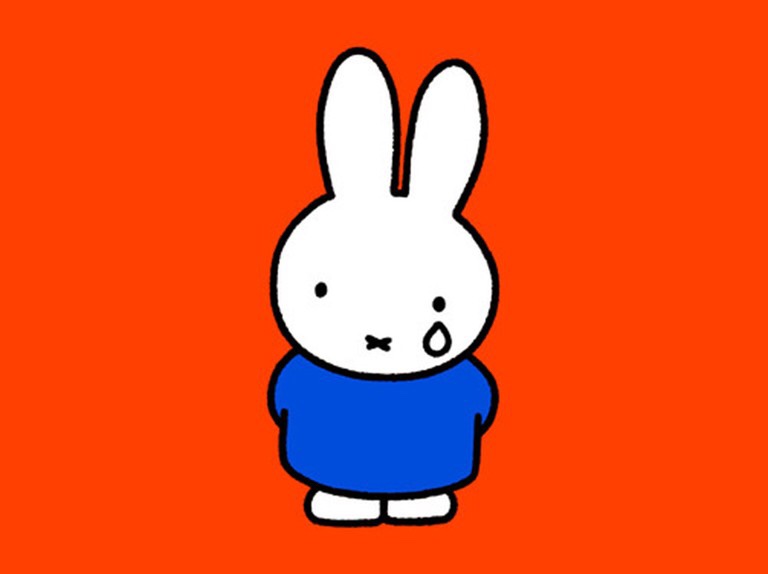
You may be thinking “Oh, so this is like Dutch Hello Kitty?” I thought the same thing. But Nijntje was created in 1955, and Hello Kitty was created in 1976. So Hello Kitty is the Japanese Nijntje.
But not really, because Nijntje has the more heartwarming backstory. The character was created by the Dutch artist Dick Bruna, inspired by stories he made up for his son about a little rabbit. Bruna wrote story books featuring Nijntje in order to familiarize young children with topics like going to school and coping with the death of a family member. The books were designed to be small, for children to read rather than parents. Nijntje and her stories soon became famous worldwide — especially in Japan, where both Europe and “kawaii” culture were coming into vogue.
Hello Kitty, meanwhile, was designed as a cute mascot for the Japanese company Sanrio in order to sell small gifts, after the company owner noticed that “cute” characters improved sales. She originally appeared as a “cute cat” design on a coin purse, and her primary purpose continues to be selling merchandise.
According to interviews, Dick Bruno did believe the Hello Kitty design was a knockoff. Sanrio and the company that owns Nijntje eventually engaged in epic legal battles over whether Sanrio more directly stole her design for a new bunny mascot.
My opinion? I don’t think that the original artist who created Hello Kitty — a Sanrio employee — intended to plagiarize, even if she was inspired by Bruno’s simple, bold art style. However, I do see Bruno’s point, especially as Sanrio added more backstory to Hello Kitty that was suspiciously similar to Nijntje’s.
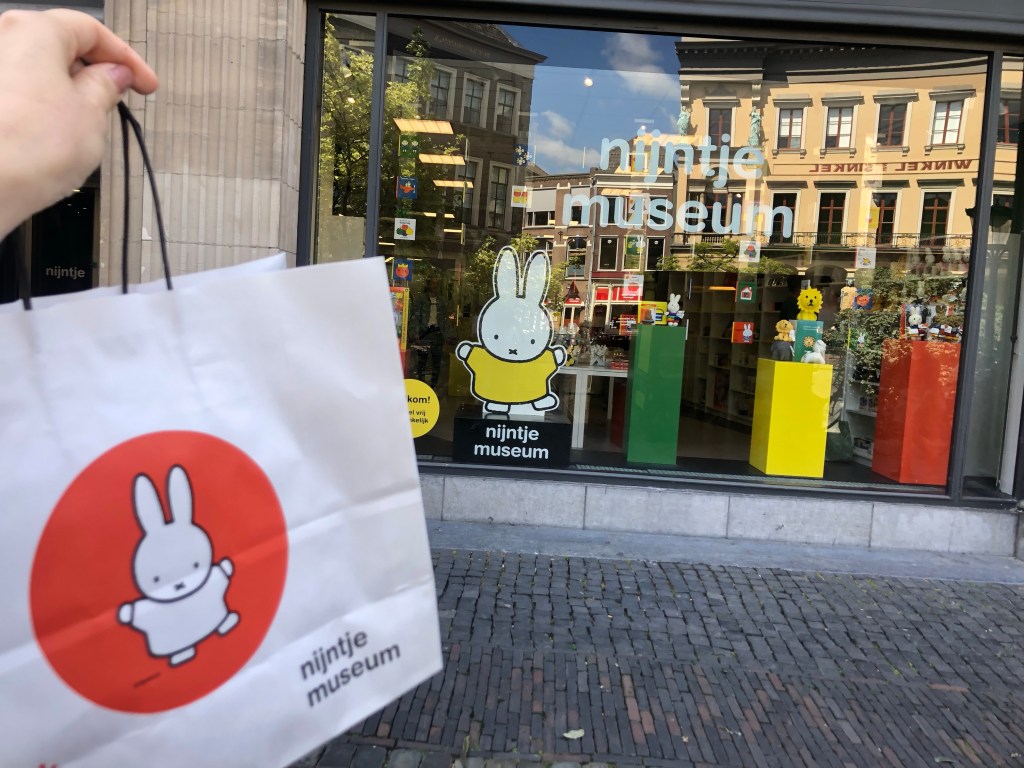
The Nijntje museum was adorable; it’s mainly a place with themed sets for preschool aged kids to explore. I bought a crocheted doll and towel in the shop.
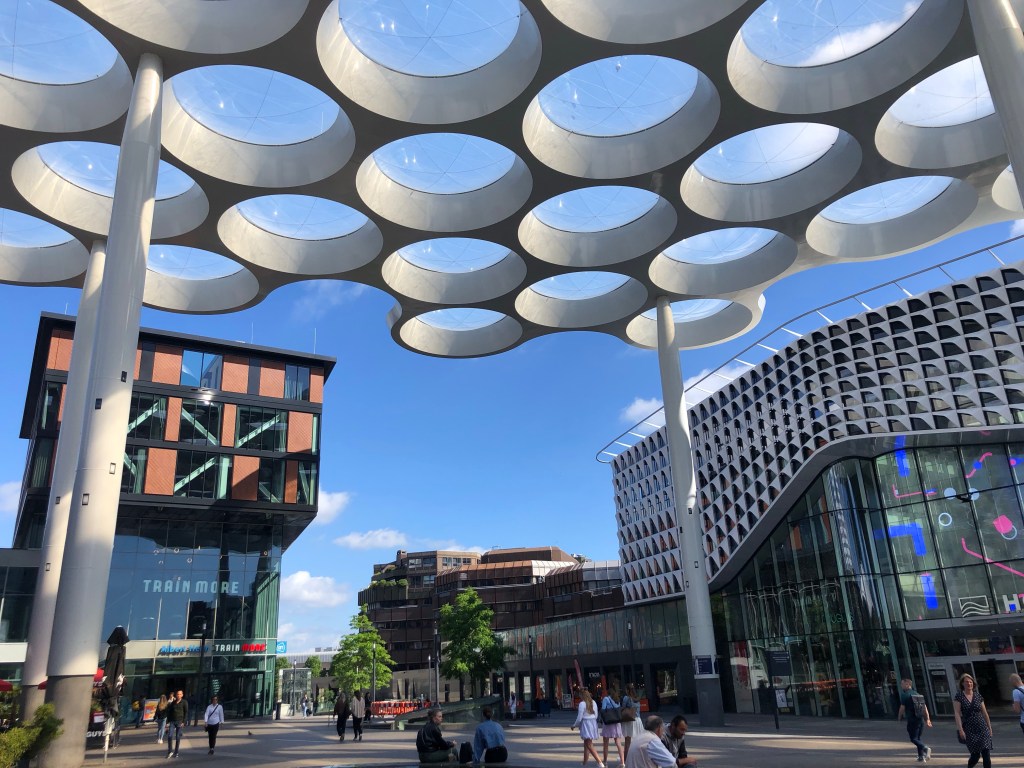
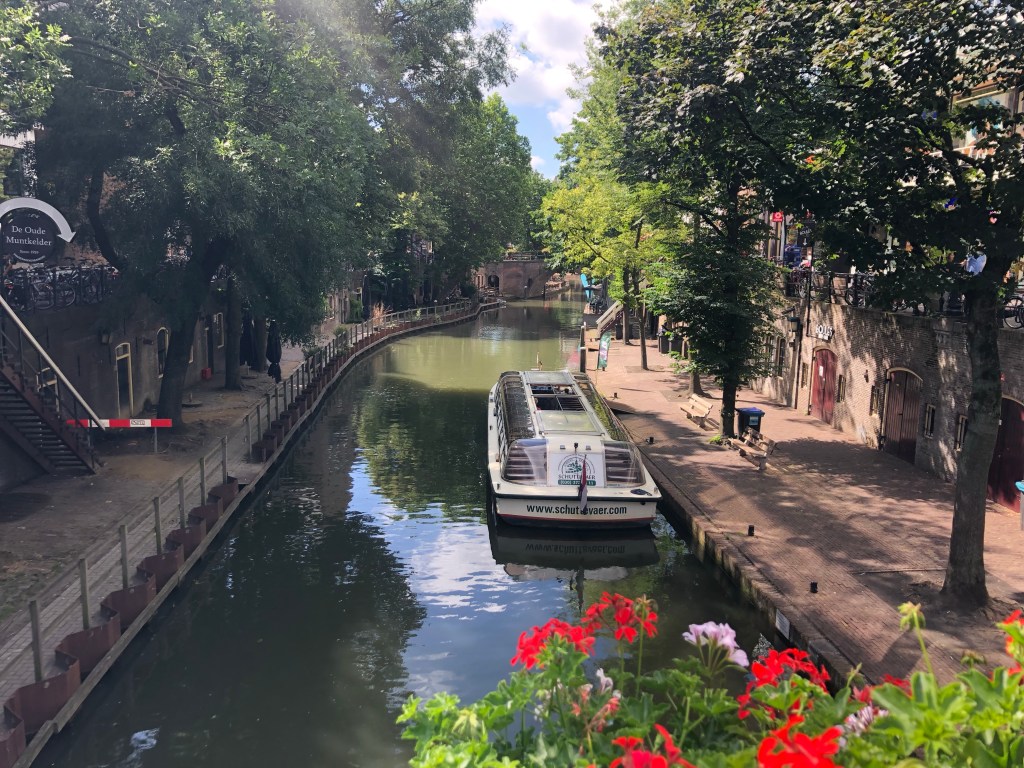
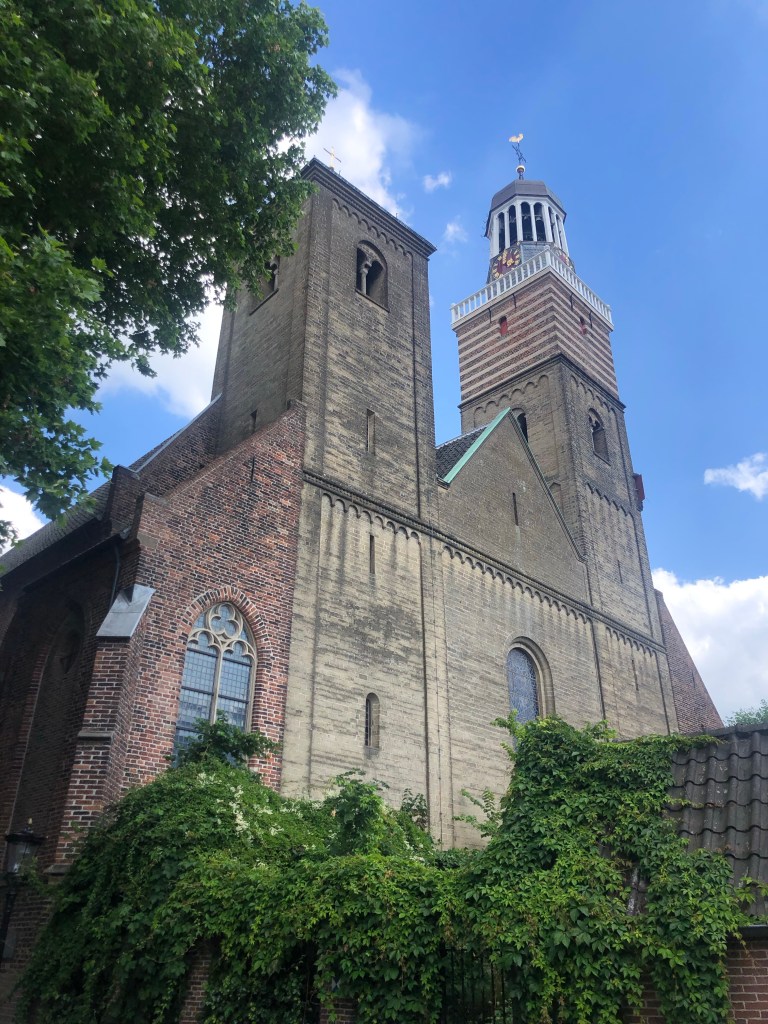
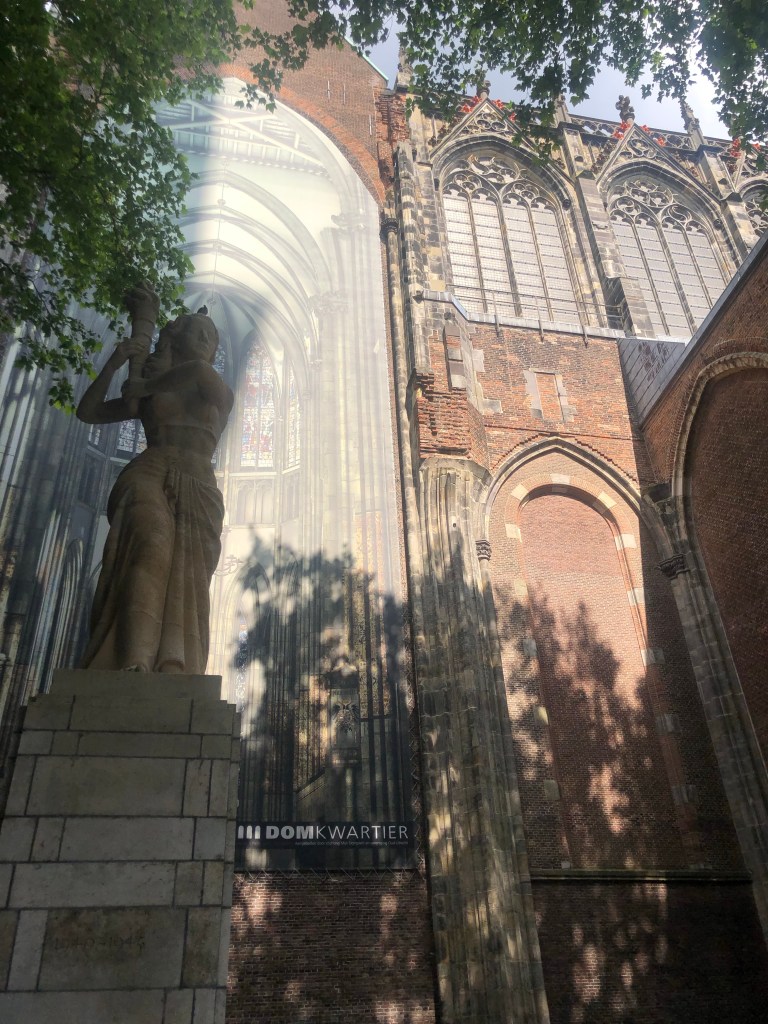
Klaas from the hallway described Utrecht as a lot like Amsterdam, but less chaotic. The city is a bunch of cramped, low buildings with several canals. Lots of car and bike traffic too, of course. There is also an old city center. Most famous is the old church and distinctive Utrecht bell tower. The big-ticket museum is DOMunder, a subterranean tour beneath the church where you see excavated remnants of Roman times. (Sold out when I checked.)
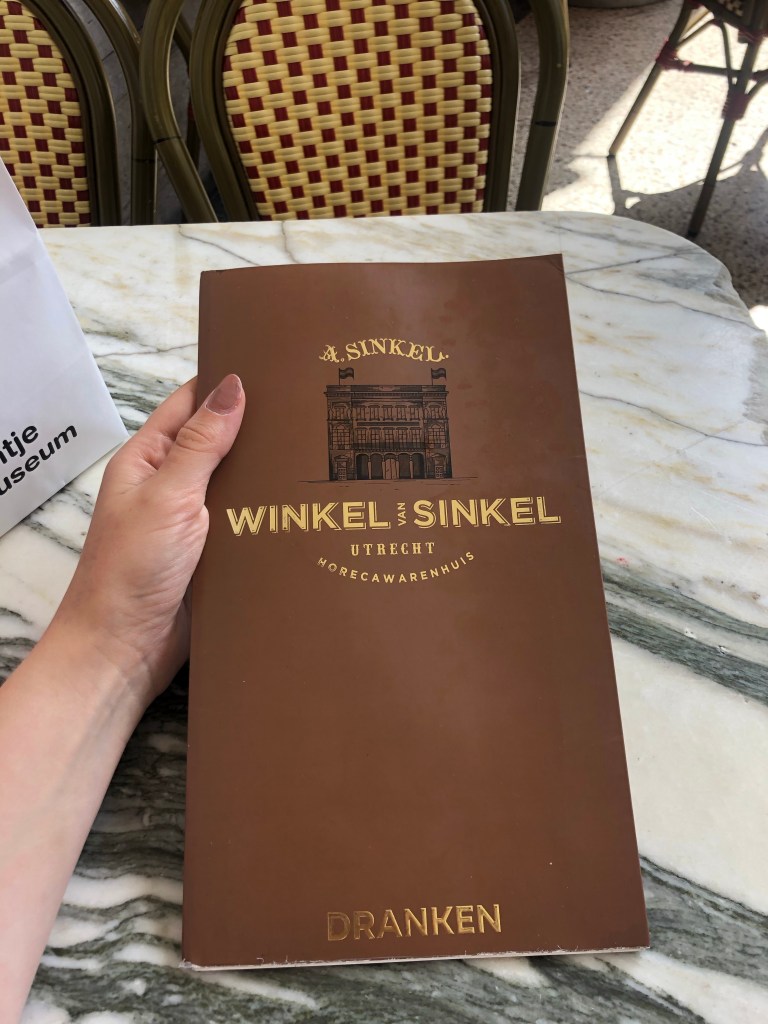
Instead I went to Museum Speelkok, which is housed in an old church and devoted to self-playing instruments. (I’m pretty sure Speelkok is Dutch for glockenspiel? The glockenspiel is the metal instrument often found in miniature form, tinkling away in music boxes.) The museum allowed for a self-guided tour but also offered a 45-minute demonstration tour where the docent alternated between Dutch and English.
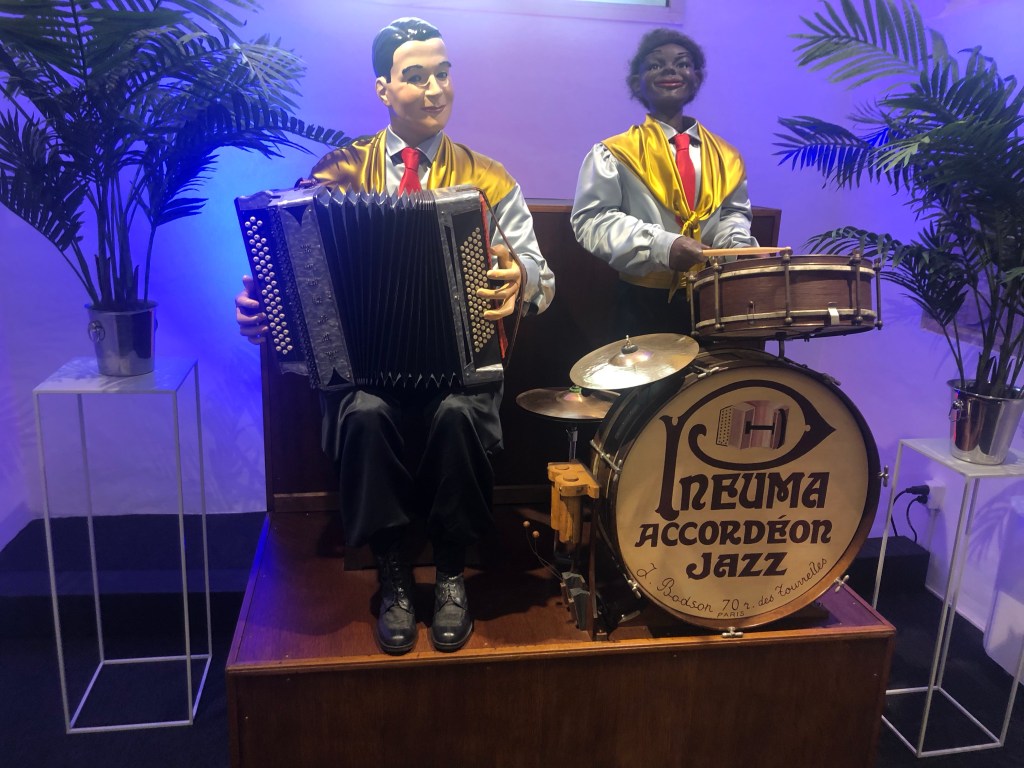
I find something really enchanting about self-playing pipe organs, glockenspiels, and orchestrions. People throughout history did too. The technology began with town bell-towers, powered via gravity (weights) to rings bells and signal the time of day.
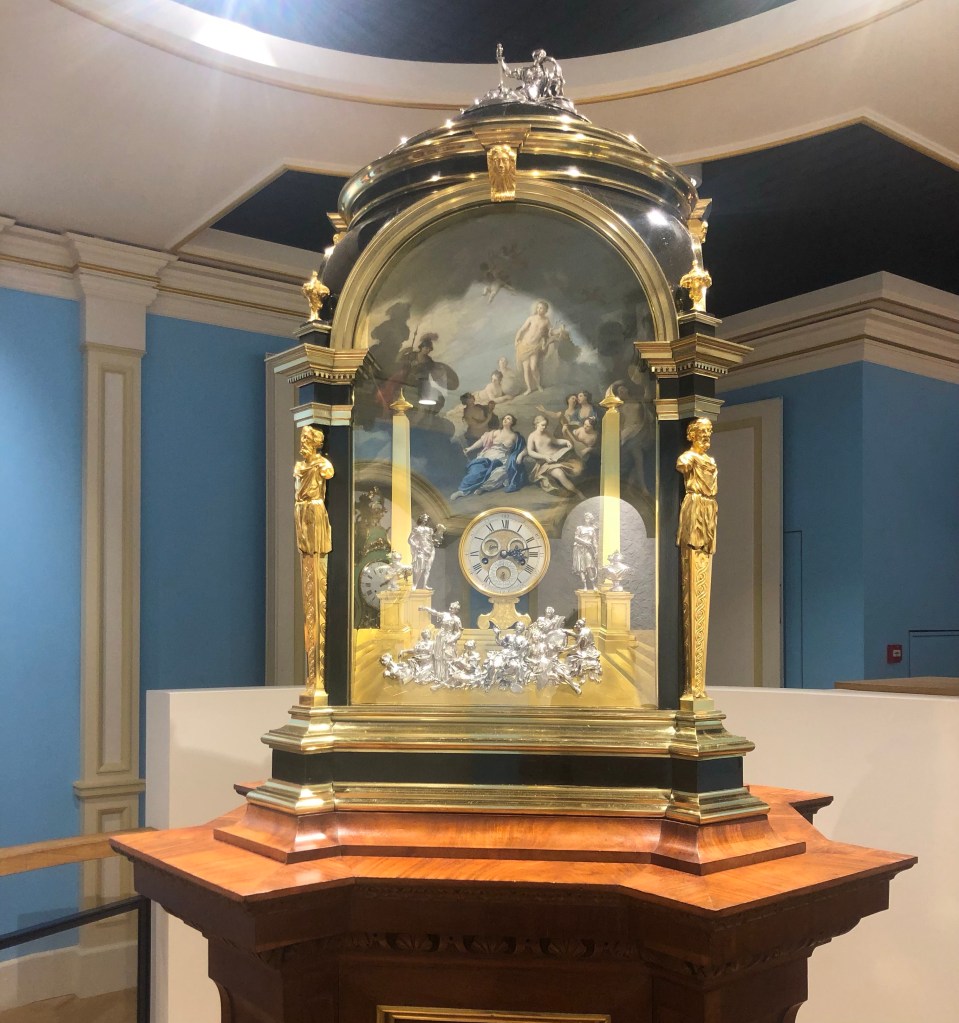
Later mechanisms used springs (windup mechanisms) or hand-cranks. As soon as the technology was more developed, artisans began competing to see who could design the most interesting version of these machines — with the most outrageous performing “acrobat” doll, or in the smallest silver snuff-box, or inside the most ornate clock. Wealthy collectors commissioned these items and showed them off at dinner parties.
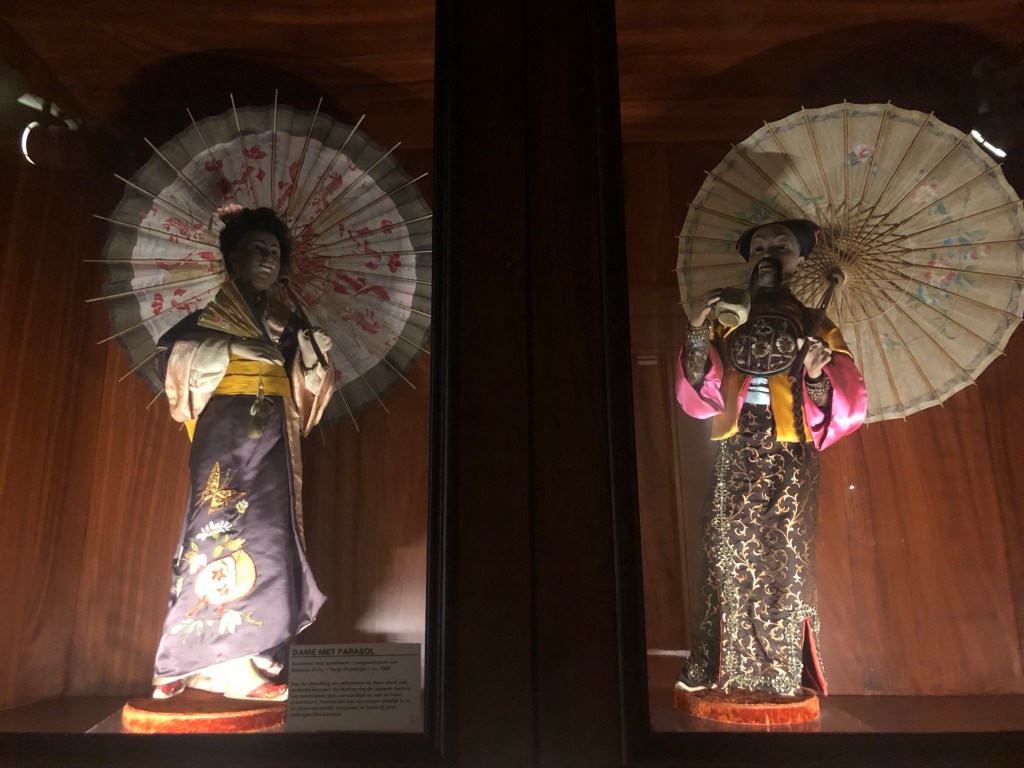
Meanwhile, for an everyday person, self-playing instruments were used for public spectacle. Orchestrions as large as a wall were rented for dances as late as the 1930s.

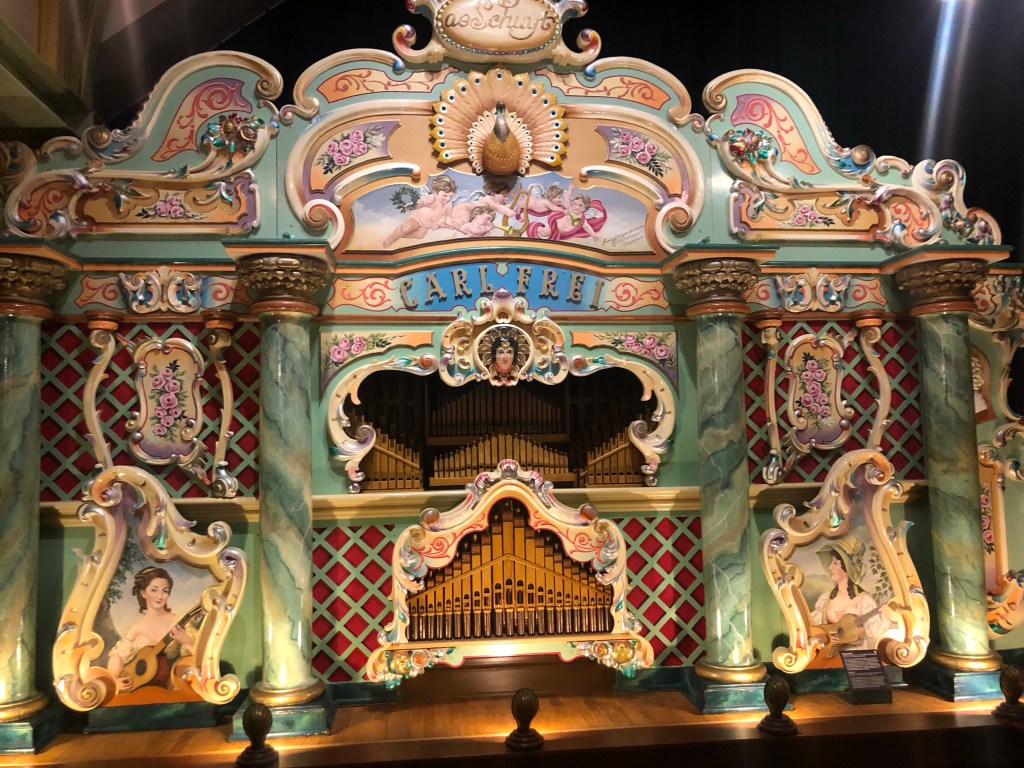
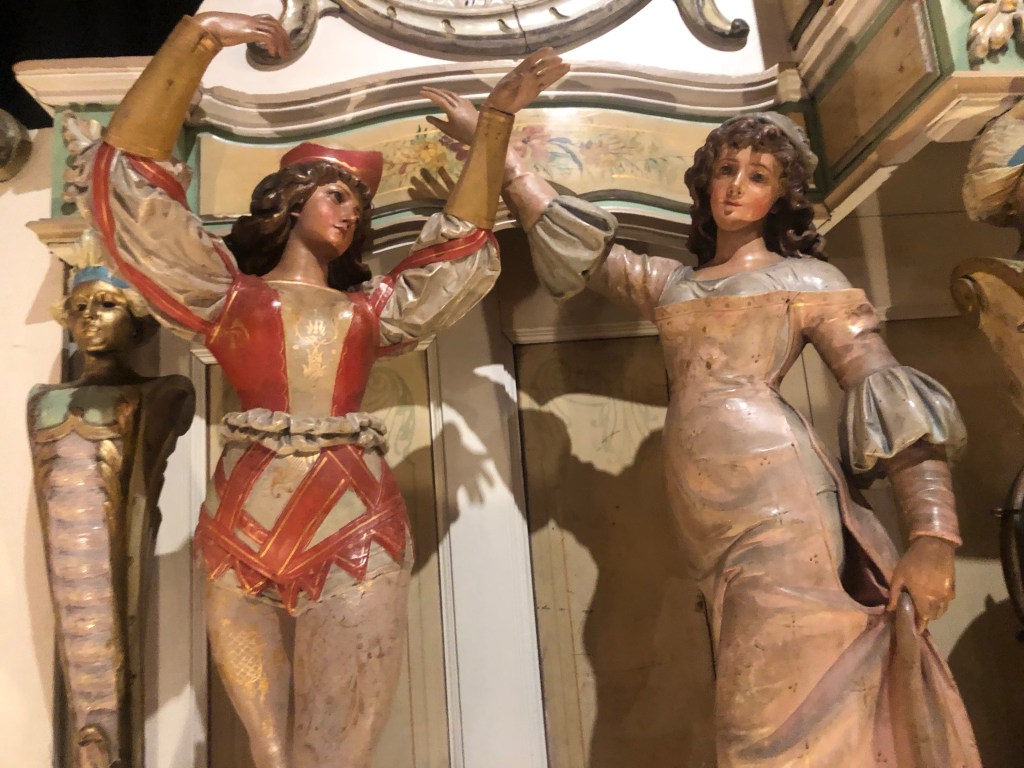
Meanwhile, on the street, buskers would carry around a monstrously heavy crank-powered “belly organs” and sing along. Other devices were played on demand in exchange for coins.
Later technological advancements even allowed for “recording” live piano playing on cardboard sheets, so that you could take home a performance from Mozart for yourself.
Street organ culture is still alive here. In the crowded Saturday Wageningen market, I passed one of them with a busker shaking a cup to ask for coins.
I may embed some videos I took here once I get around to figuring out how!

The museum made me very wistful about Phantom of the Opera and the whole 1700-1800s era. It’s one of my favorite periods of European history, precisely because of how creative artists were, and the focus on producing bizarre machinery and curios. With no recorded music or film, much more creative effort was directed towards producing beautiful (or amusing) objects. And before mass production, there were a lot more wealthy people individually commissioning these moving pieces of art.
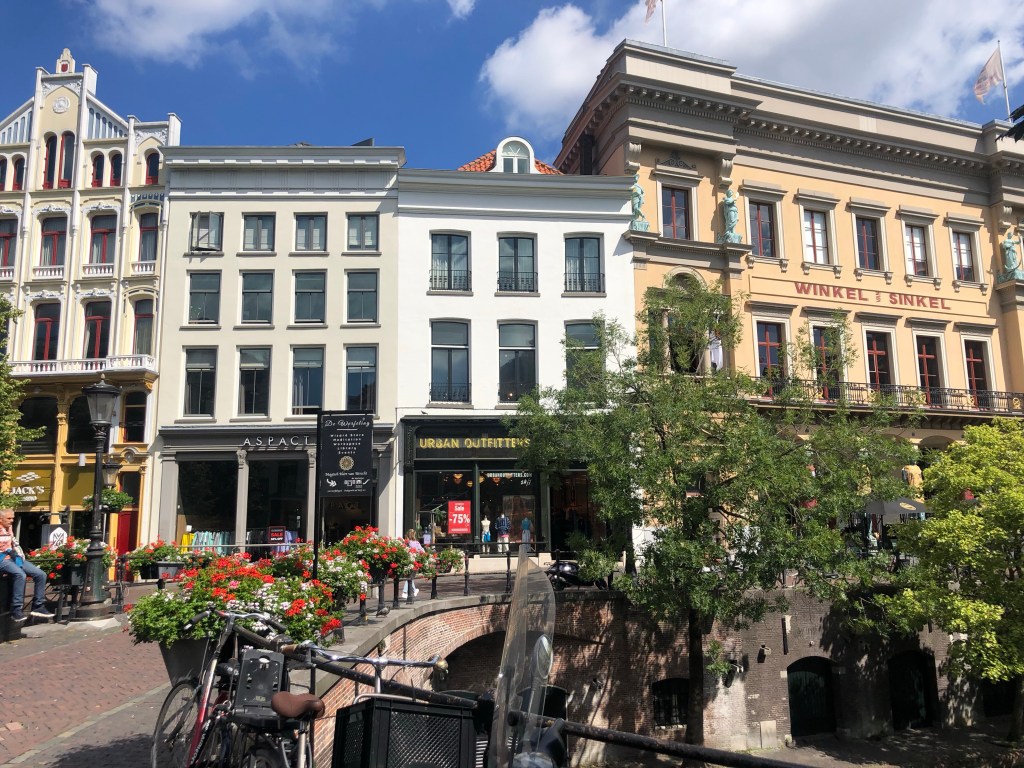
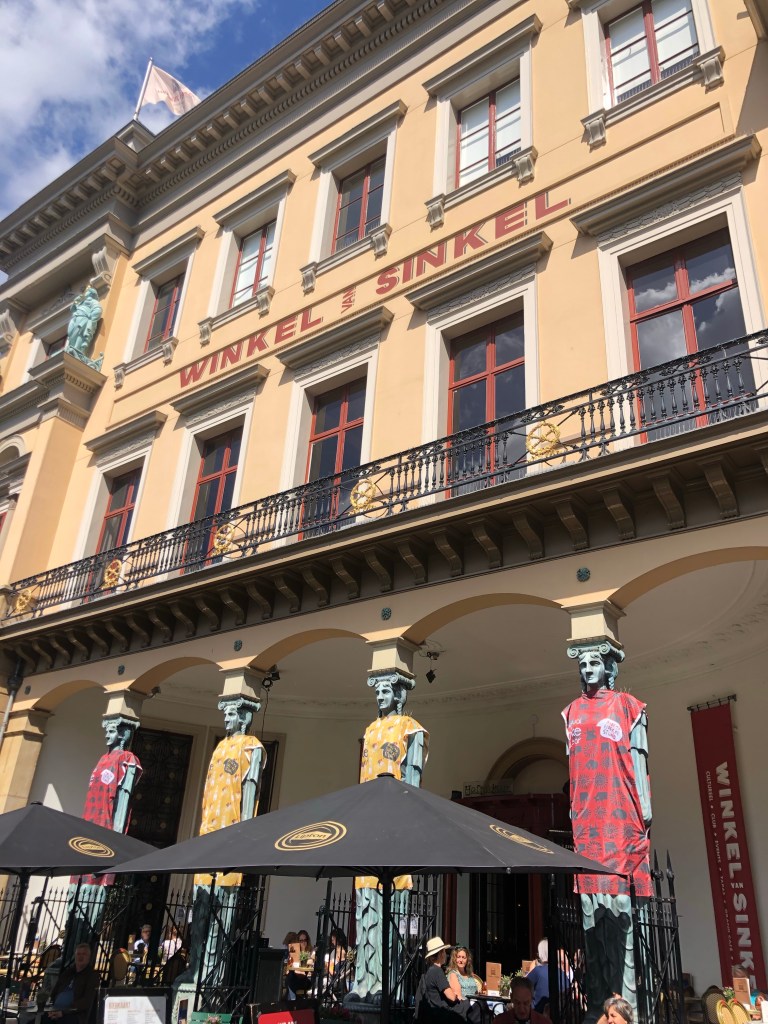
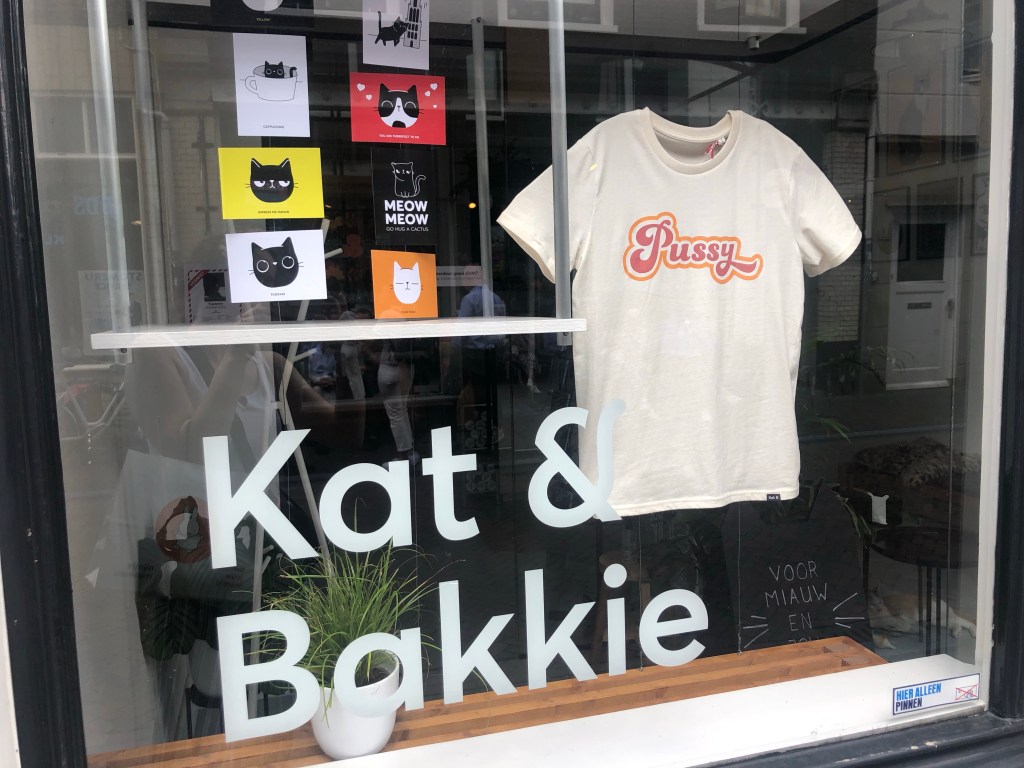
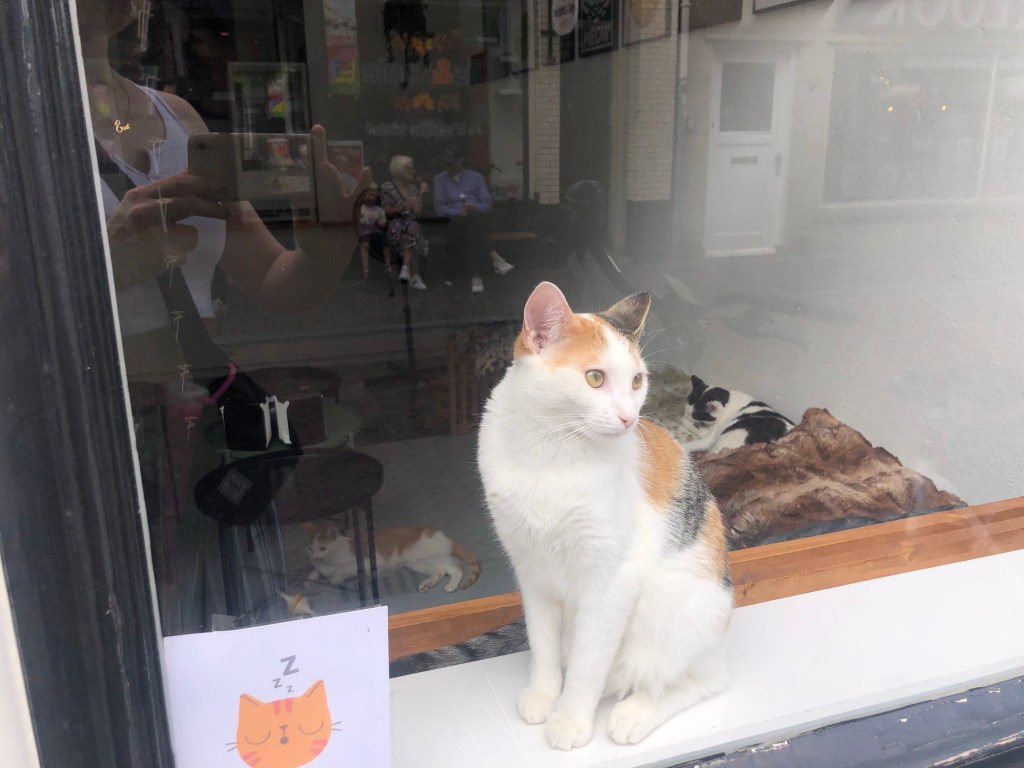
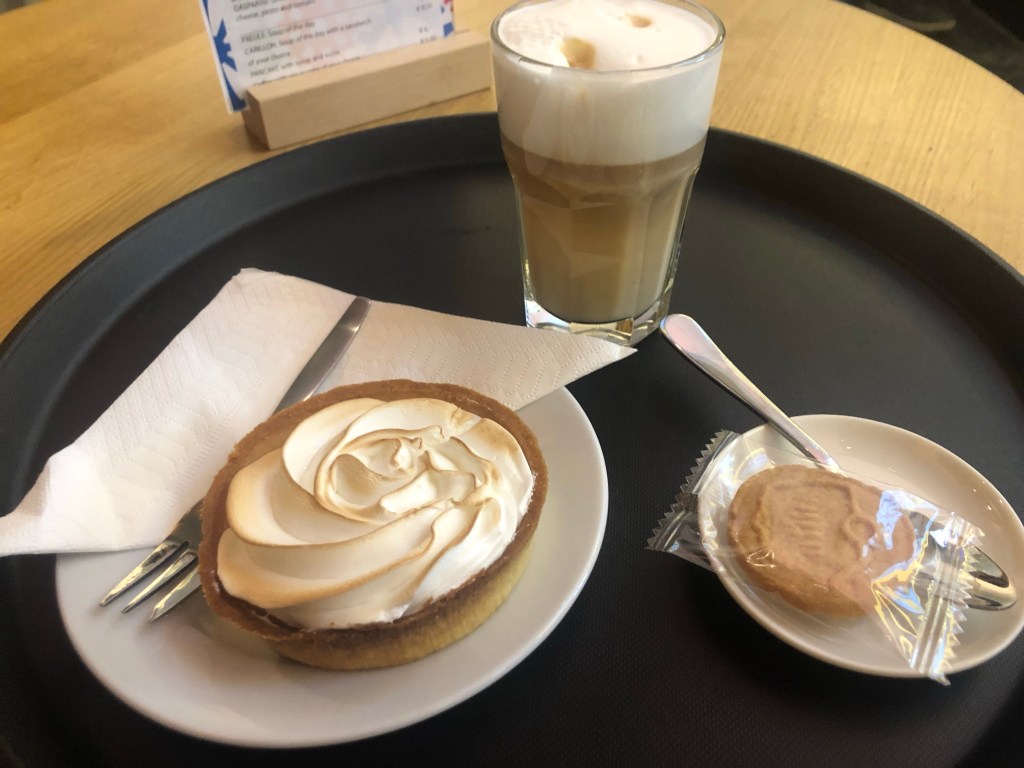
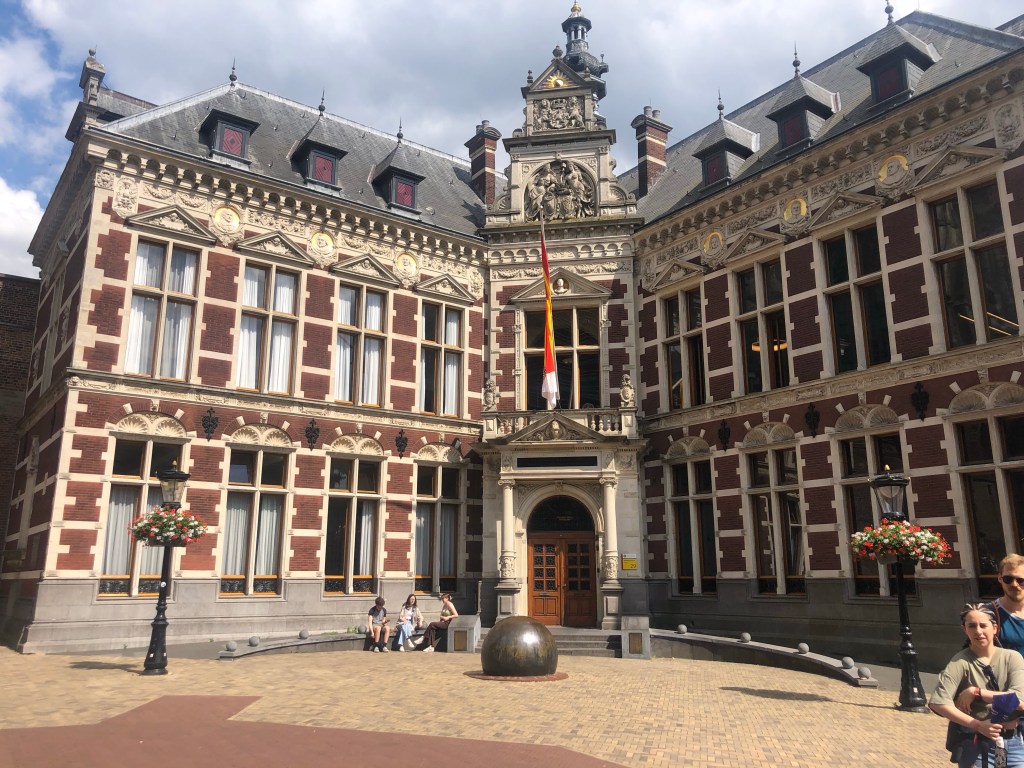
After the museum, I wandered through Utrecht some more, weaving through clothing stores and bookshops. Here are some photos from the rest of my day.
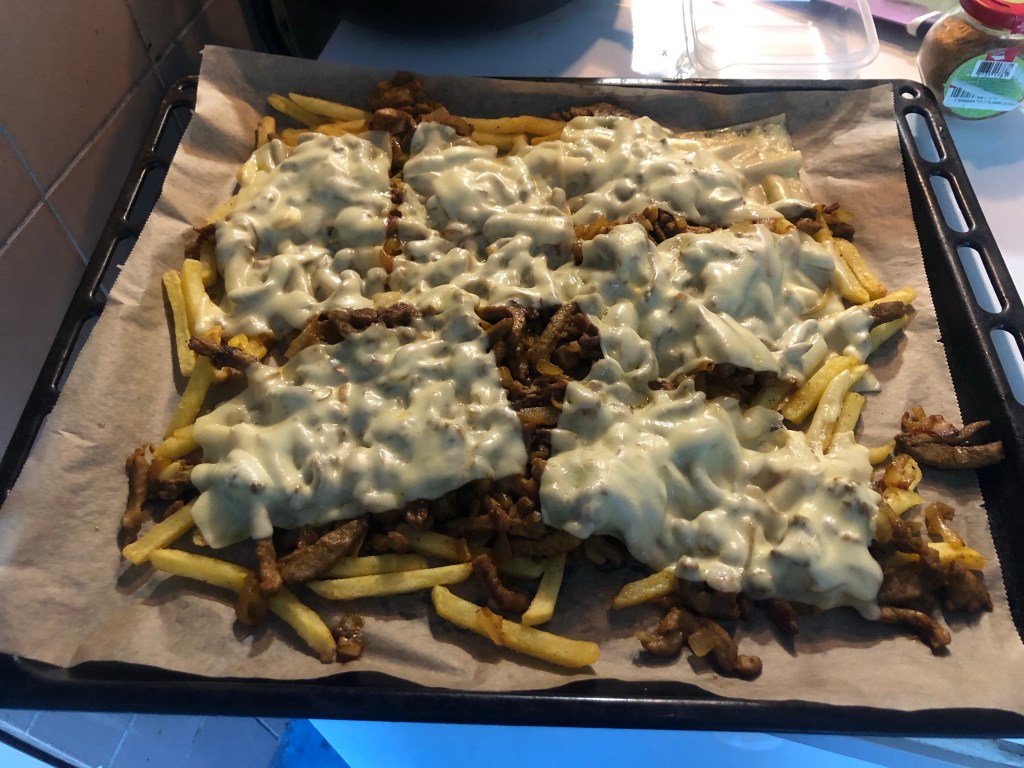
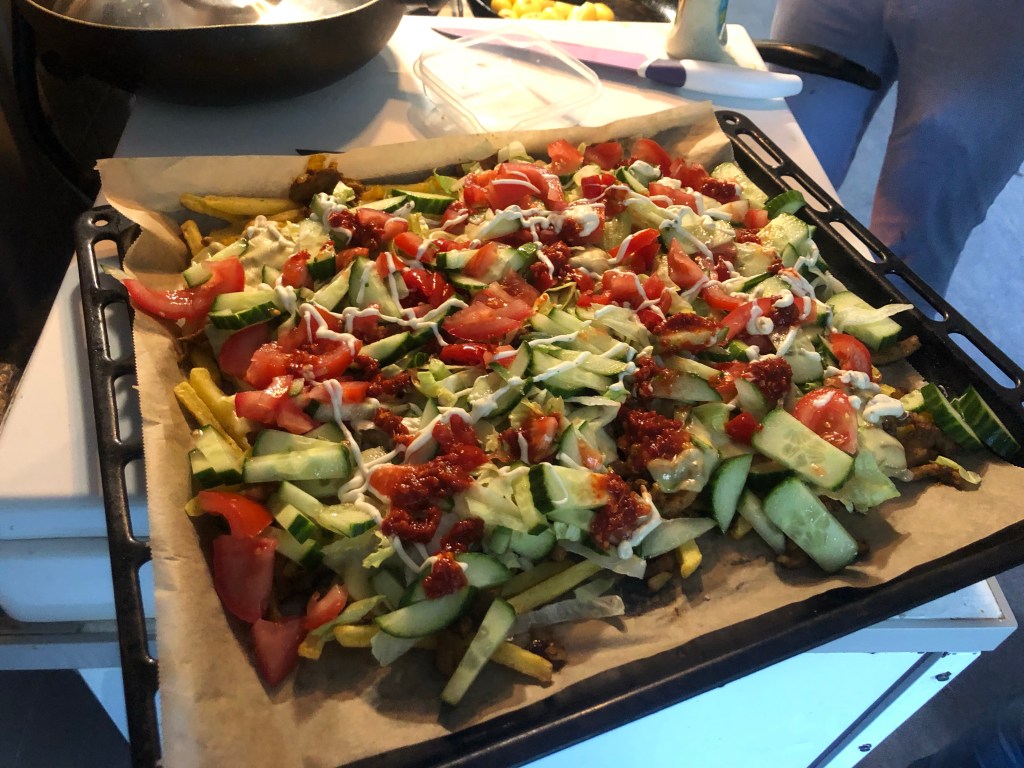
Unbeknownst to me, I had a treat waiting for me at home. Students Rudolph and Klaas were hard at work making kapsalon, a Dutch takeaway invention from 2003. (Kind of similar to the invention of nachos in Texas, really.) I walked into kitchen with my packet of instant soup, and the two took pity on me and generously invited me to have some.
This morning Audrey and I biked to the morning market; I said goodbye and had a cinnamon bun from the bakery stand. She had a fresh Stroopwafel (incomparable with the packaged version).
Unfortunately, my trip here was during her finals week, meaning things were extra busy. Her final group project is due today, at 2 PM. We also discussed how difficult housing is to find in the Netherlands (far worse than LA, actually). She’s scrambling to get a new lease for next year, but many students want to live with “Dutch only”, and others can’t live with a cat. I wish Audrey best of luck on her project (which is due in an hour now!!) and finding housing.
Auf Wiedersehen, Nederland! As I write this, I’m on the train to Germany. It feels like an appropriate next step in terms of difficulty: 50% of Germans speak English, which is a lot, but still only half. I at least am more familiar with German than Dutch. I hope I’ll get a good Wilkommen. Lebewohl für jetzt!
 Eva Adventures
4 responses to “Day V: Was Hello Kitty’s design stolen from the Dutch? + Glockenspiels.”
Great photos — Phoenix museum of Musical Instruments has one of those giant glockenspiels–I wonder if they might make a comeback? Technology could make them easier to manufacture.
LikeLike
Tony and I are really enjoying your travels and so impressed with your detailed writing style and pictures. As you know my father was German and came to the US in the early 1950s, becoming a citizen in 1954. He was recruited by NATO and sent to Germany for 4 years when I was in 5th grade. We took many road trips, including to the Netherlands. I still recall the hot chocolate, apple pancakes (large, cooked in a cast iron pan) and very friendly people. The windows in the houses were also always sparkling and the towns were so clean. It appears to still be so! Safe and happy travels to Germany – we’re looking forward to more! xxx
LikeLike
I’m glad you’re enjoying my updates!! I have a very similar opinion (especially after crossing into Germany today), that the Netherlands is so friendly and incredibly clean! Maybe it’s a smaller and densely-packed nation, so there’s more ability to make the public areas perfect. And the Dutch seemed very welcoming, and even known to be a bit rowdy when they go out and party / sightsee. What sorts of things do you remember well about Germany?
LikeLike
I have seen the glockenspiel in Phoenix, and was fascinated by it. The ones you saw make it seen small!
The pictures are amazing. Enjoy Germany and I am looking forward to more updates.
LikeLike