Dear readers… the whole vibe changed as I passed from Dutch to German territory. I started at a clean train platform and then stepped out into a smoke-scented, dirty, industrial station. This theme would continue. Germany has more of a gritty, sprawling feel — especially Berlin. If Utrecht was Disneyland, then Berlin is NYC.
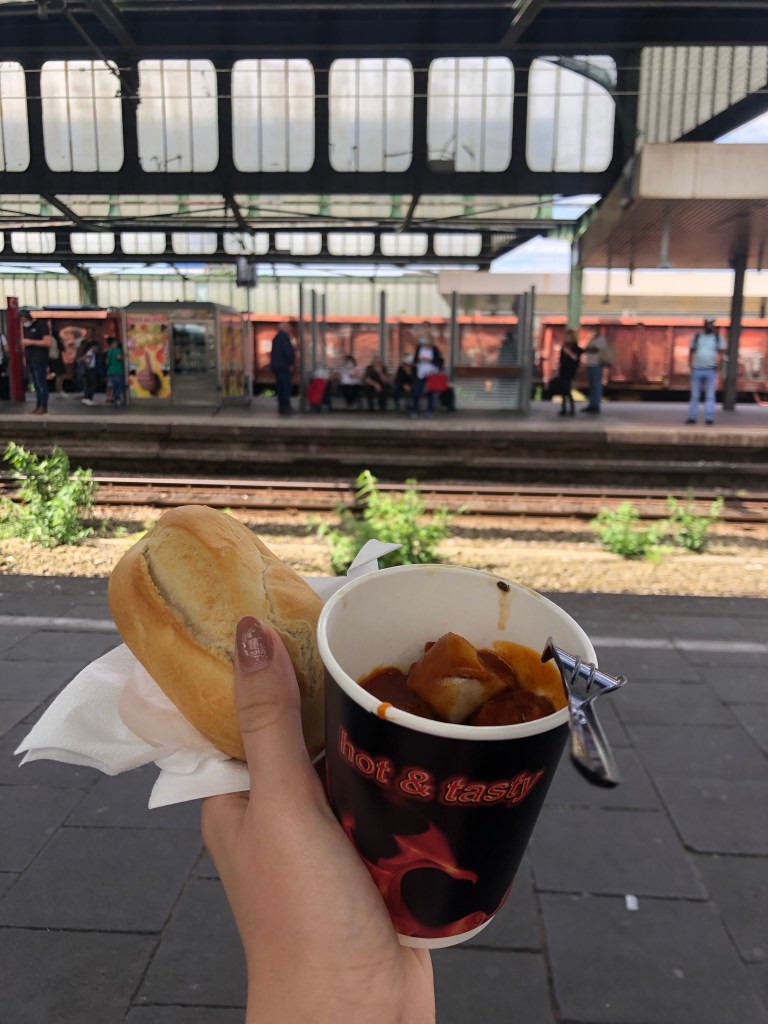
I know that sounds rude, and maybe like I’m being a bit too hard on Germany — but believe it or not, I actually love Berlin so far. Brutalist architecture, graffiti and street art, punk culture… layers of history from WWII and the Cold War… and a vibrant culture that inspired musicians such as David Bowie and Iggy Pop. I was enthralled.
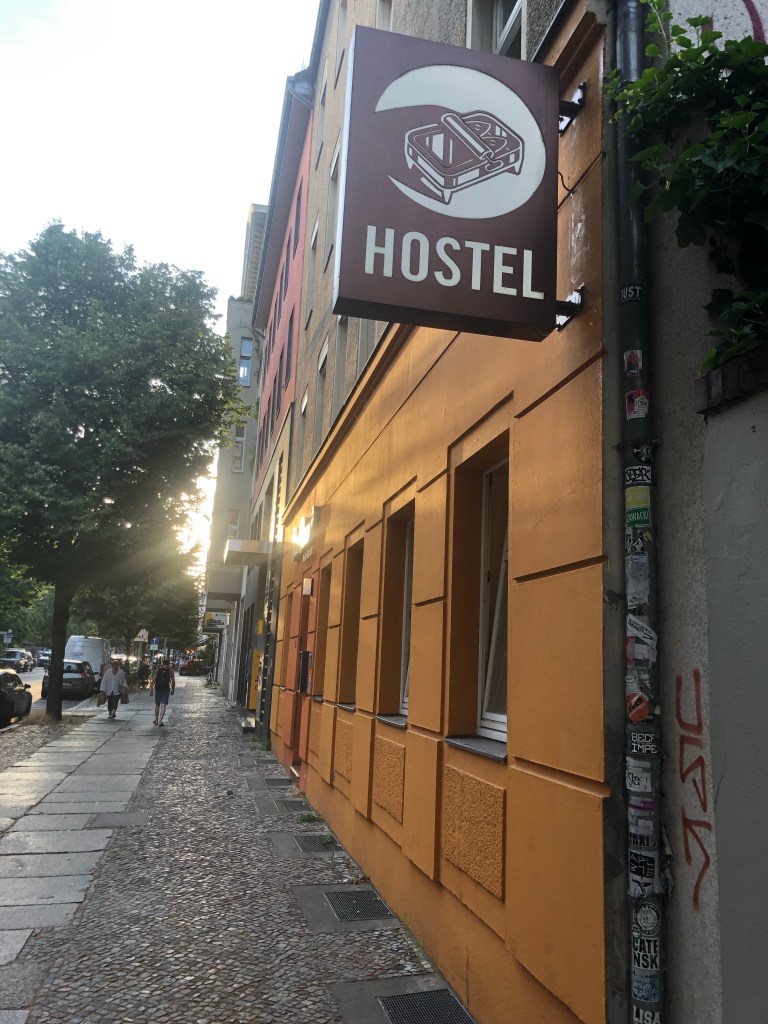
I made my way to the hostel and was greeted with free food — one of the residents, a young Portuguese guy who’s been staying there 3 months, made a self-serve “taco” spread.

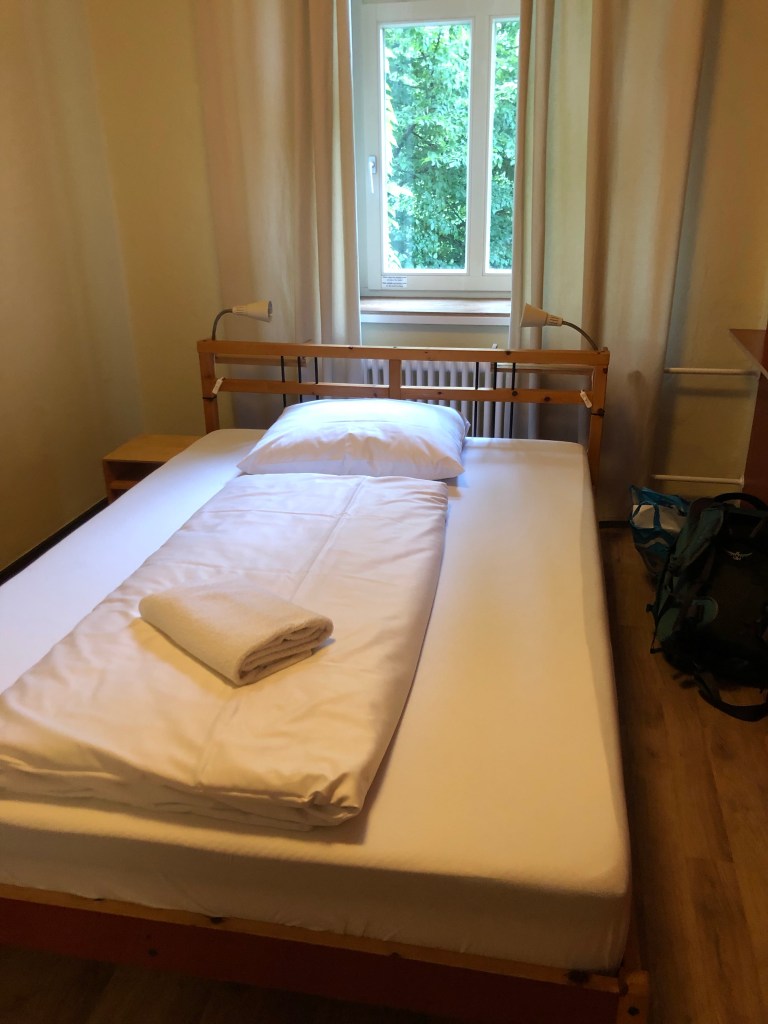
The hostel is a really vibrant environment. I have a private room for this one, but most guests stay in the communal bunk beds. There’s a patio to hang out on, board games, pantry/fridge storage, shared bathrooms, and luggage lockers. As a solo traveler, I enjoyed having the opportunity to sit outside and chat with people from around the world. And then it was nice to retire to my private room when I felt tired. The one issue may be noise, as hostels do attract the younger crowd / party fiends. Fortunately I slept like a rock last night even with the noise, no earplugs, and no AC.
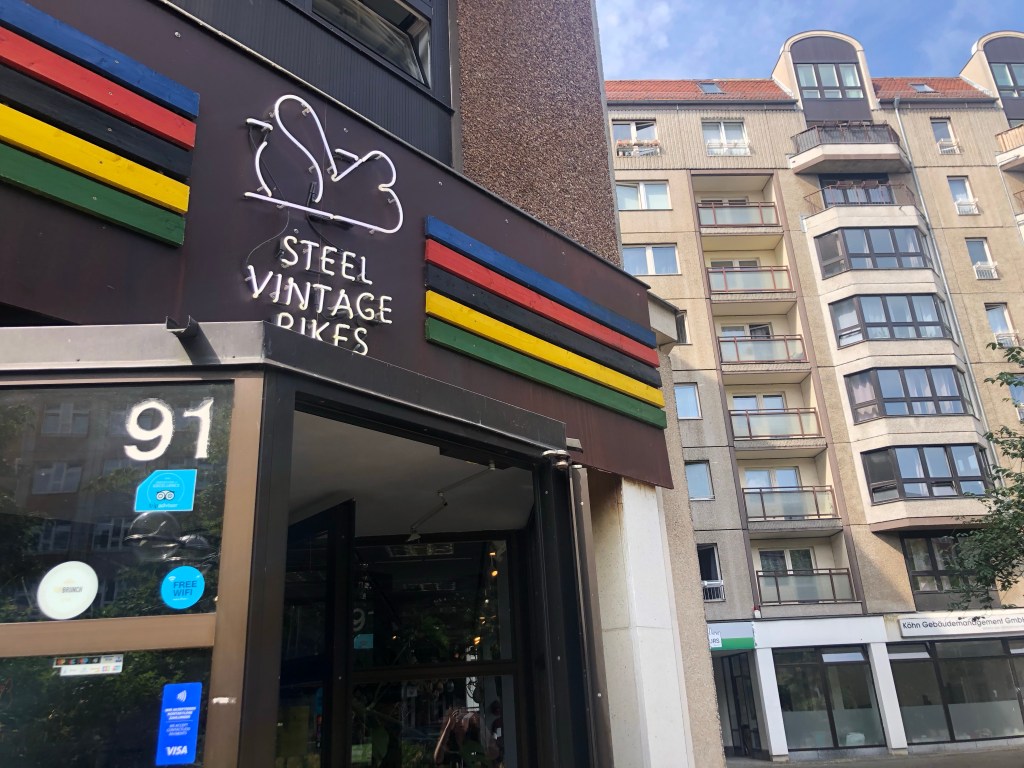
First though, I walked the street. There were some distinctive sights — during the evening, convenience stores in Berlin transform into sidewalk bars. I passed a group of men drinking and playing games of chess outside a grubby convenience store, all types of world cuisine, dive bars, and upscale eateries.
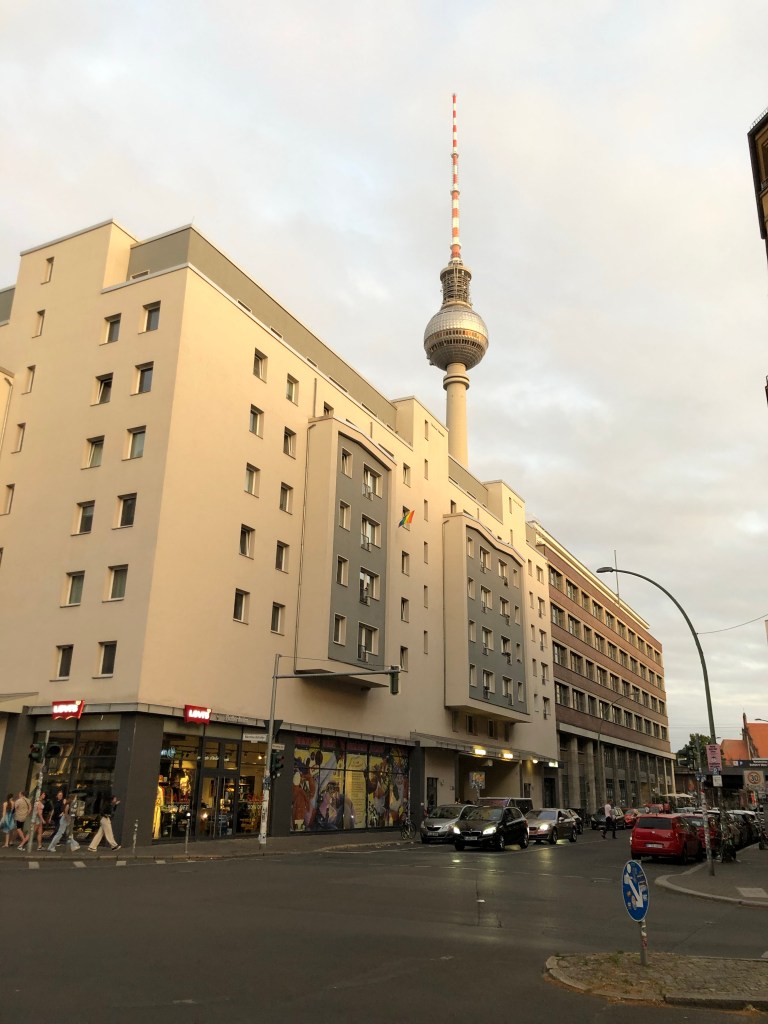
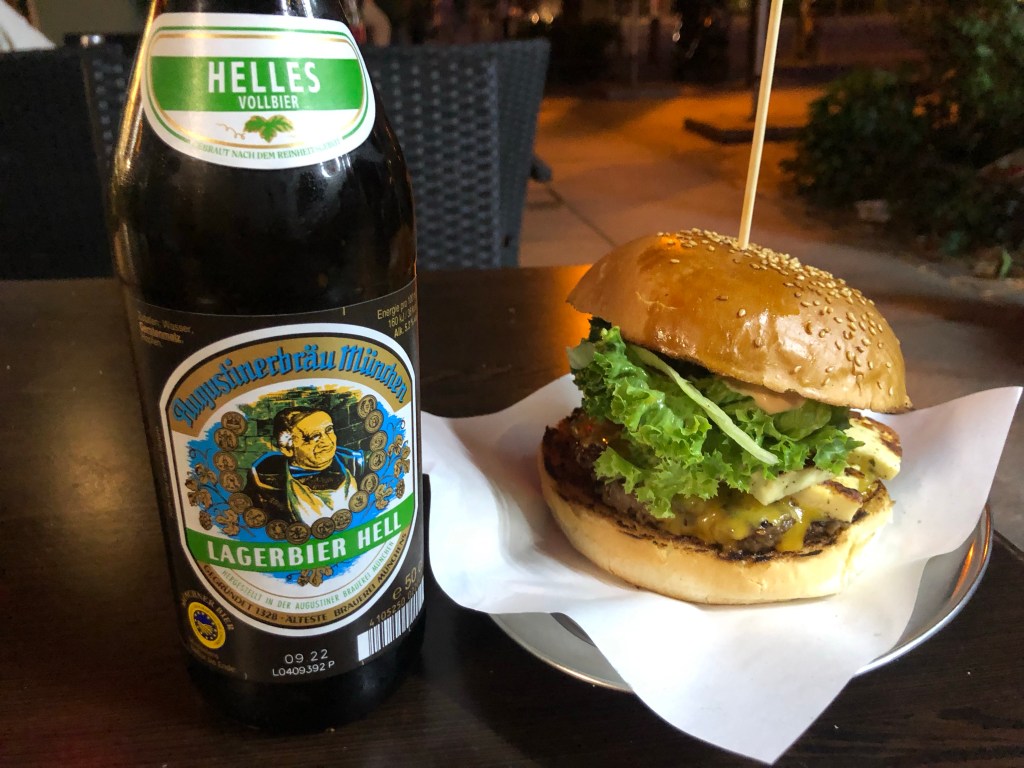
Honestly, with how much there is to do in Berlin, realizing I’m only here until Sunday morning was an “oh crap” moment. Tipsy from that singular (yet massive) beer bottle, I was awake at 1 AM frantically trying to make sure I could visit some of the major sights around the former Berlin Wall area.
Oh, and I suppose maybe I’m getting ahead of myself. I should probably refresh you about where I am. 🇩🇪
The large nation now called Germany began as a bunch of independent territories, populated by various groups of Germanic peoples. Germany is very big and full of different enclaves and dialects; geographically, there’s mountains in the south, sandy plains in the north, forested hills in the urban west, and plains with farms in the east. Berlin, the capital, lies east and central.
Unified Germany as we know it began in the 19th century, when Prussian PM Otto von Bismarck brought together dozens of German-speaking kingdoms to form the German empire (“Second Reich”). This empire quickly expanded and acquired colonies across the world, becoming Europe’s leading power — but it was dismantled following German defeat in WWI.
The highly progressive Weimar Republic government followed, but hyperinflation and then the subsequent Great Depression (plus German ambivalence towards anti-Semitism) allowed Hitler and his Nazi party to gain popular support by the 1930s. Germans traded in democracy for someone they saw as a charismatic leader. In 1933, Adolf Hitler managed to take totalitarian control and established the “Third Reich,” where he tried to conquer swaths of Europe — and instituted his campaign of genocide on the Jewish, “homosexuals,” Roma, Communists, disabled, and opponents of the party.
But Germany was once again defeated. In 1945 the Allied powers divided up Germany, each taking slices for themselves. This started as four zones of occupation and later turned into two countries: “West Germany” and “East Germany.” (West Germany included the state of Bavaria. Berlin sat entirely in East Germany but was partitioned into four sectors, a division that would lead to the infamous Berlin Wall.)
The Americans, French, and the Brits got West Germany and the communist Soviet Union took control of East Germany. After the devastation of World War II, West Germany rebounded with a so-called “economic miracle” that began in 1948. Effective economic management, a large number of young unemployed workers, and the U.S.-financed Marshall Plan all helped the region.
East Germans were not so lucky. Their boundary with the West was, until the fall of its communist government in 1989, marked by defenses designed to prevent escape.
My mom (hi Mom) visited Berlin during this time, and even got to cross Checkpoint Charlie into East Germany as a tourist. She described it as scary — I’ll have to post more of her thoughts on it soon.
Because of its existing infrastructure, East Germany had a standard of living better than most Soviet-controlled socialist states but still below the standard of western Europe. Working under a command economy controlled by the communist Socialist Unity Party, it became the principal supplier of advanced industrial equipment to the communist countries, though it became apparent after unification that it produced poor quality goods and caused environmental devastation. The system of planning was inflexible, lacked quality control / innovation, did not reward ingenuity, and was permeated by apathy.
Thus, there was a mass desertion of young professionals from East Germany into the West that still has aftereffects to this day. (That is to say, former East Germany’s economy is still much weaker.) Although Berlin was a flashpoint between the United States and the Soviet Union during the Cold War, the city declined in national and international significance until 1989–90, when a popular and peaceful uprising toppled the East German government and soon after restored a united Berlin as the capital of a reunified Germany. The newly reunified country began to suffer strains beginning in the 1990s, exacerbated by the costs of unification. Even so, Germany recovered to once again become an important nation on the world stage.
And Germans do not ignore their past. Berlin is full of free museums, memorials, artwork and plaques relating to Nazi atrocities as well as Soviet occupation.
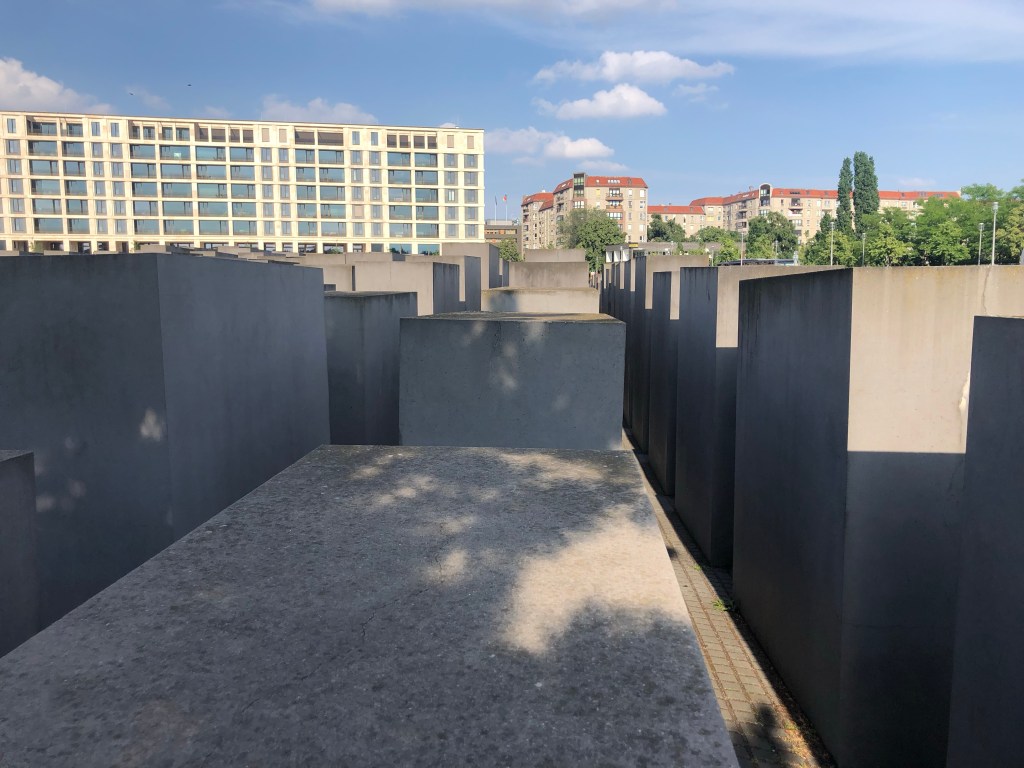
Yet all is not well. More recently, in 2015, more than one million refugees entered the country from war-torn areas in North Africa and the Middle East. As the government of Chancellor Angela Merkel struggled to achieve a balance between compassion and controlled entry for migrants, the political price of this stance quickly became apparent. Support for the explicitly anti-Islamic and anti-immigrant Alternative for Germany (AfD) party surged, and in 2018 that party unfortunately entered the Bundestag for the first time.
So… my first day as a Berlin tourist was a success, I’d say. I first bought a 48 hour transit pass, and headed to the visitor’s center for tickets to the Reichstag building (the location of the German Bundestag — parliament). After securing entry for the afternoon, I headed down some of the major avenues to shop and sightsee.
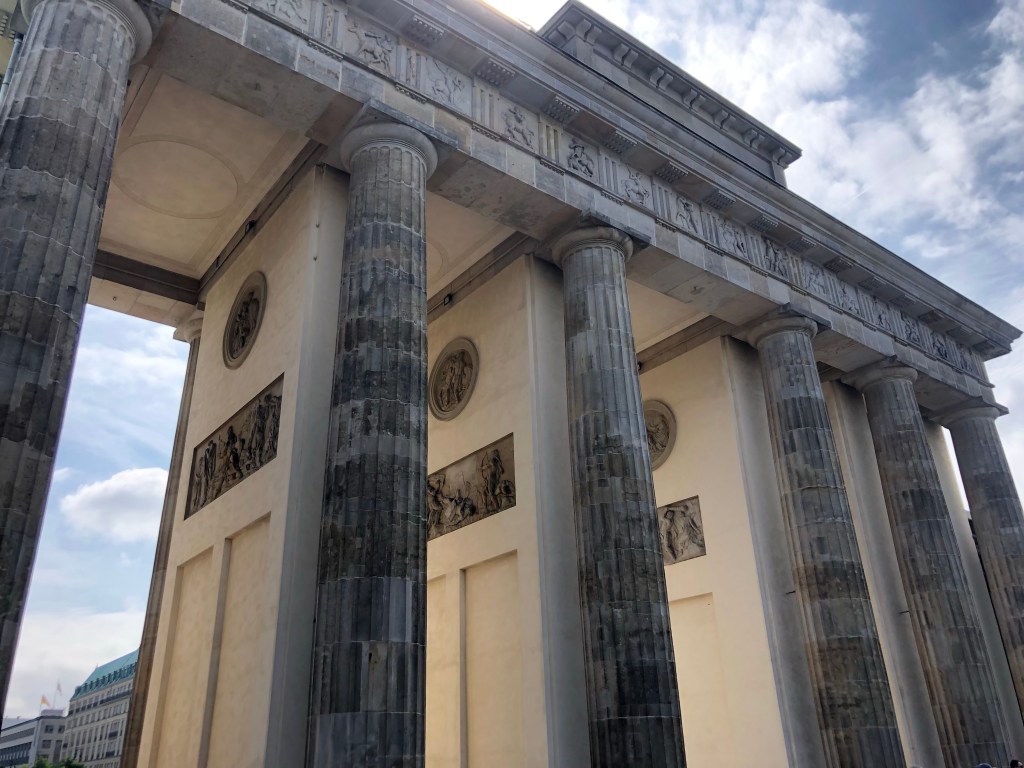
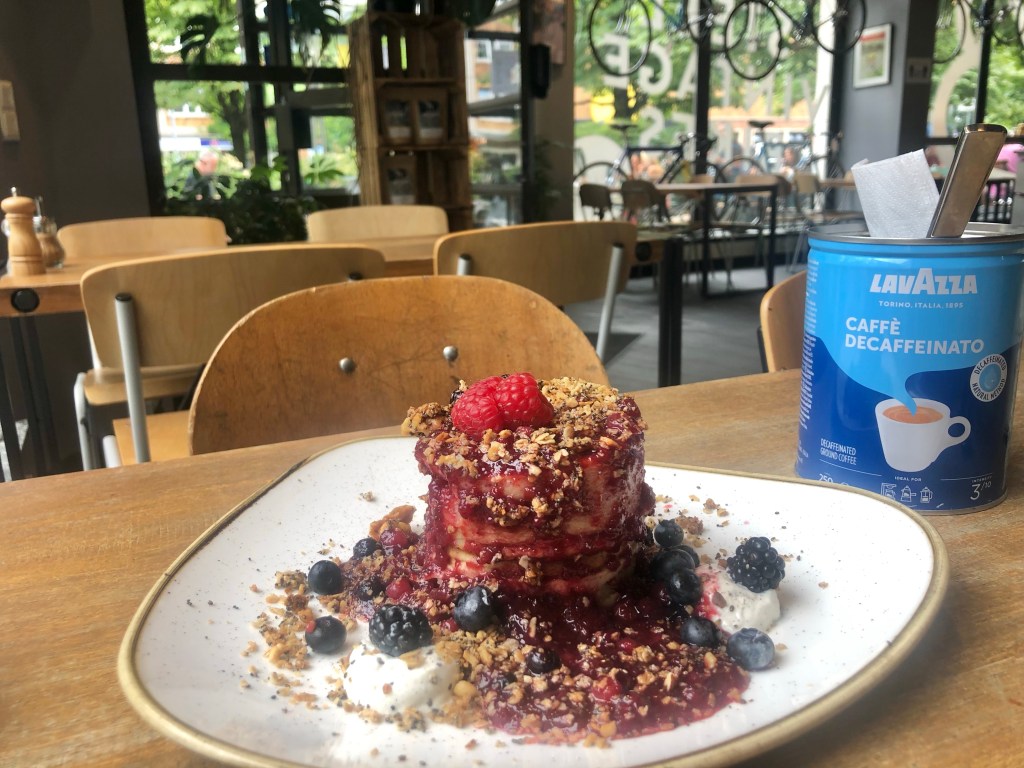
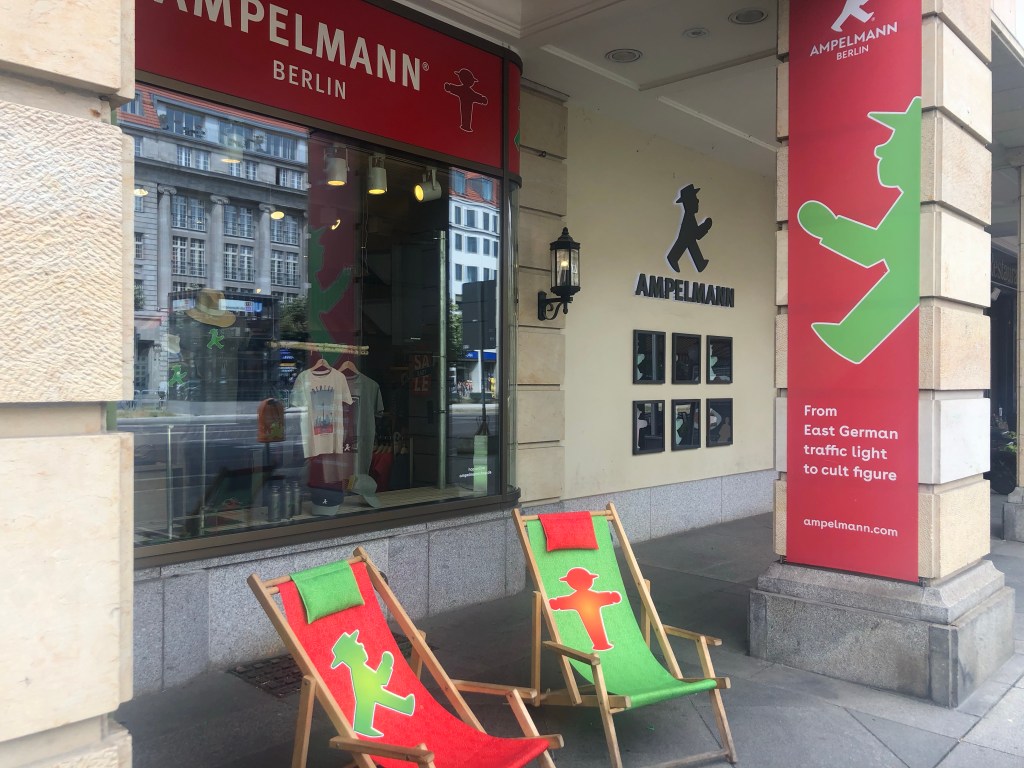

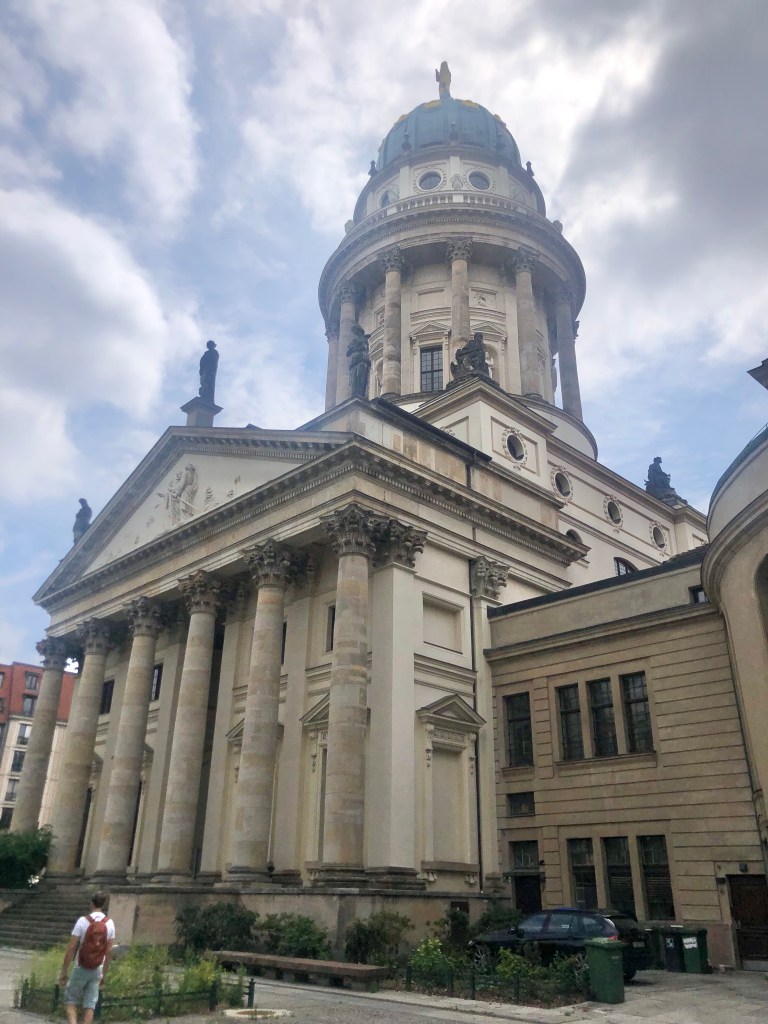
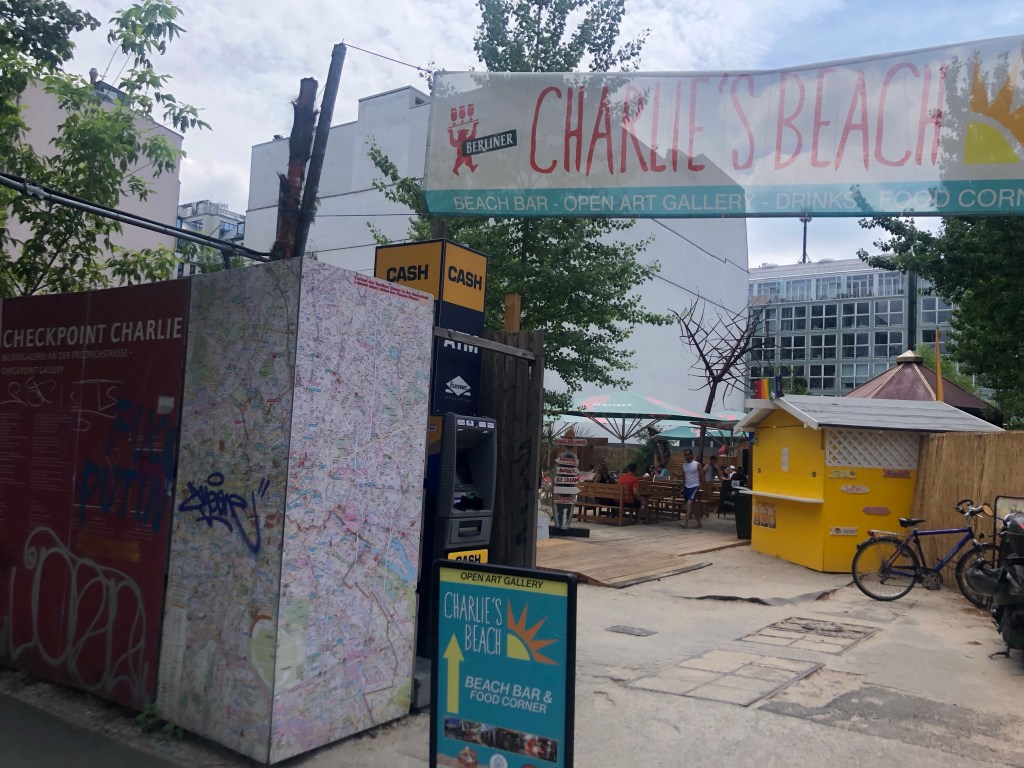
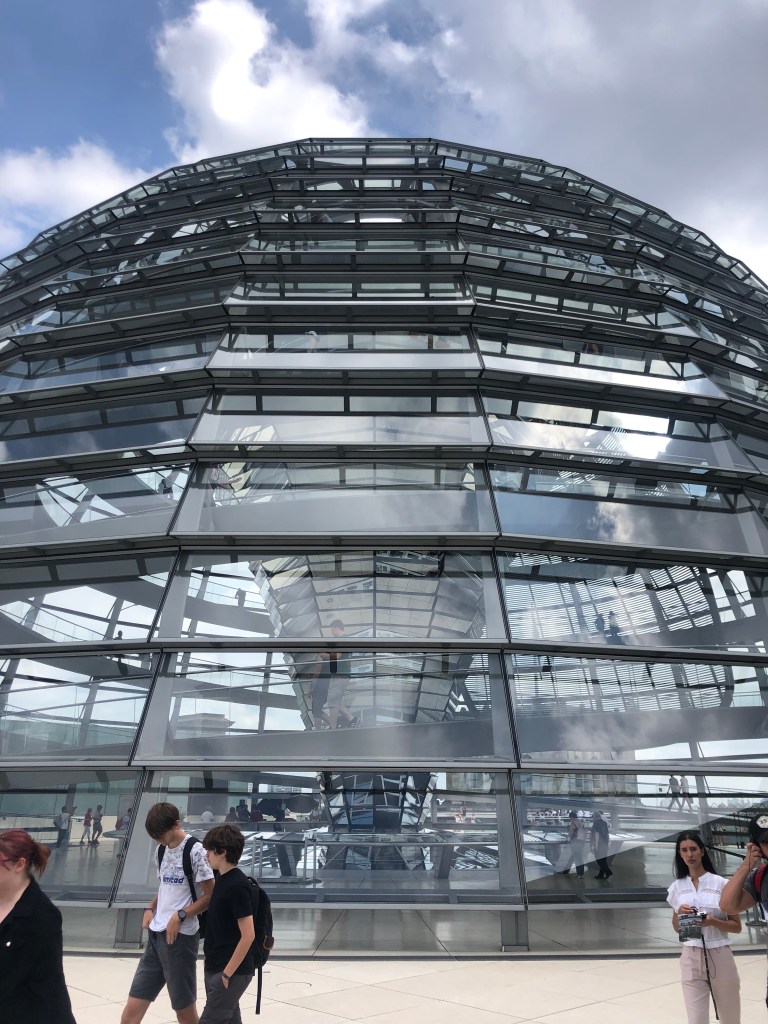
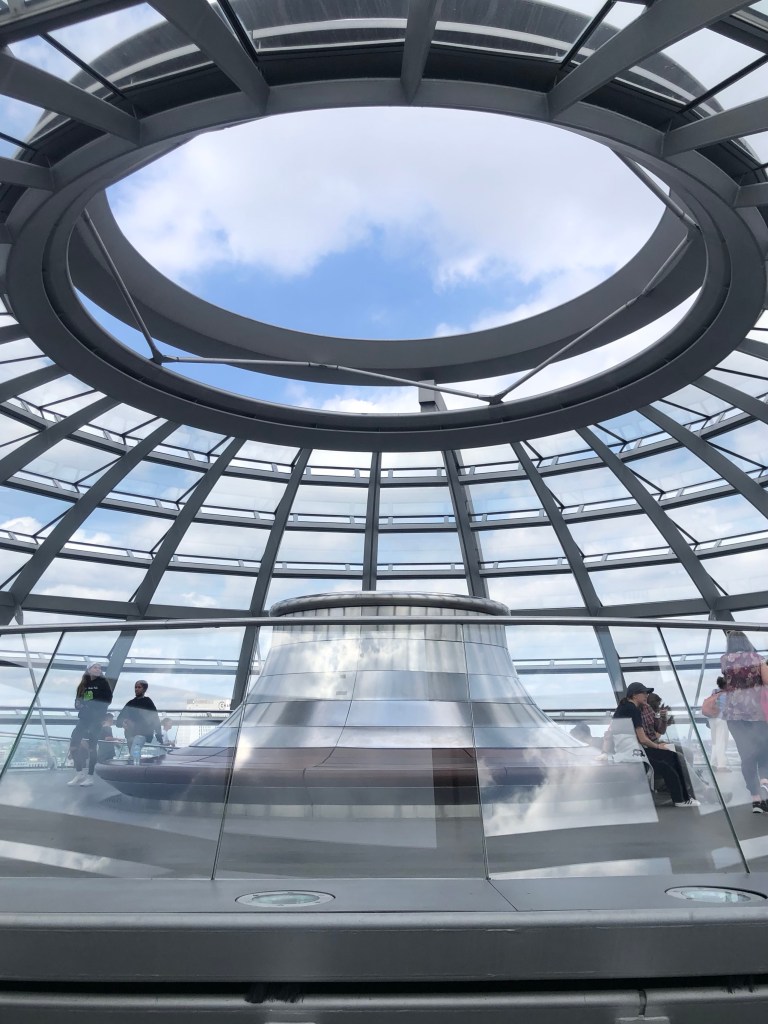
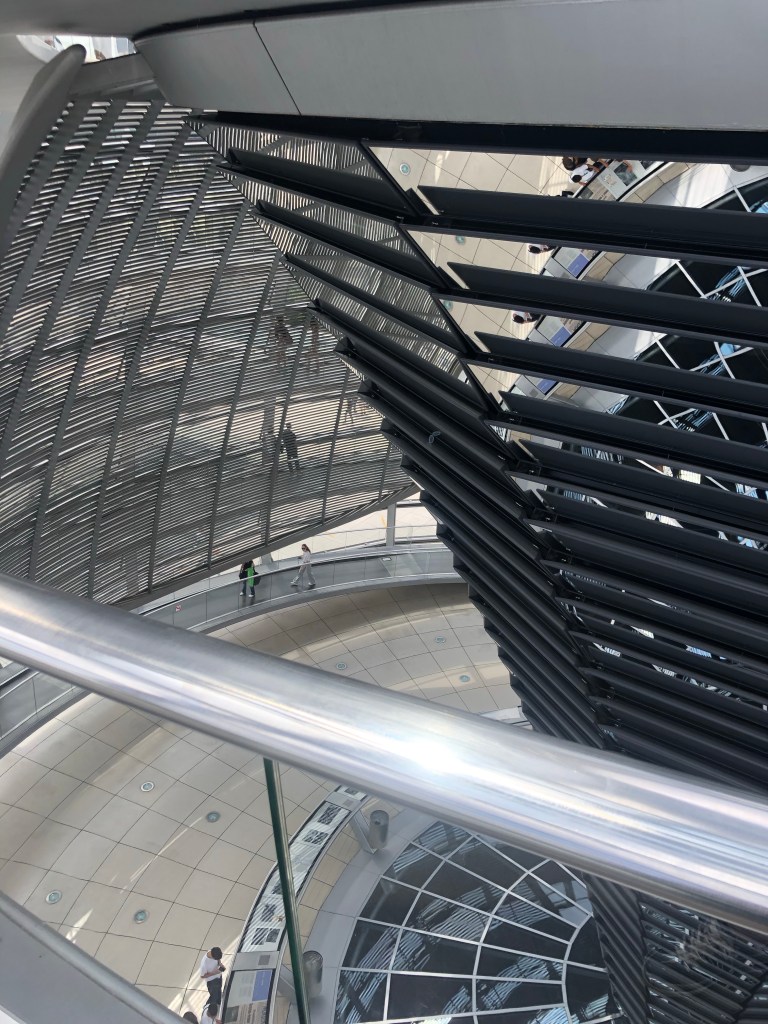
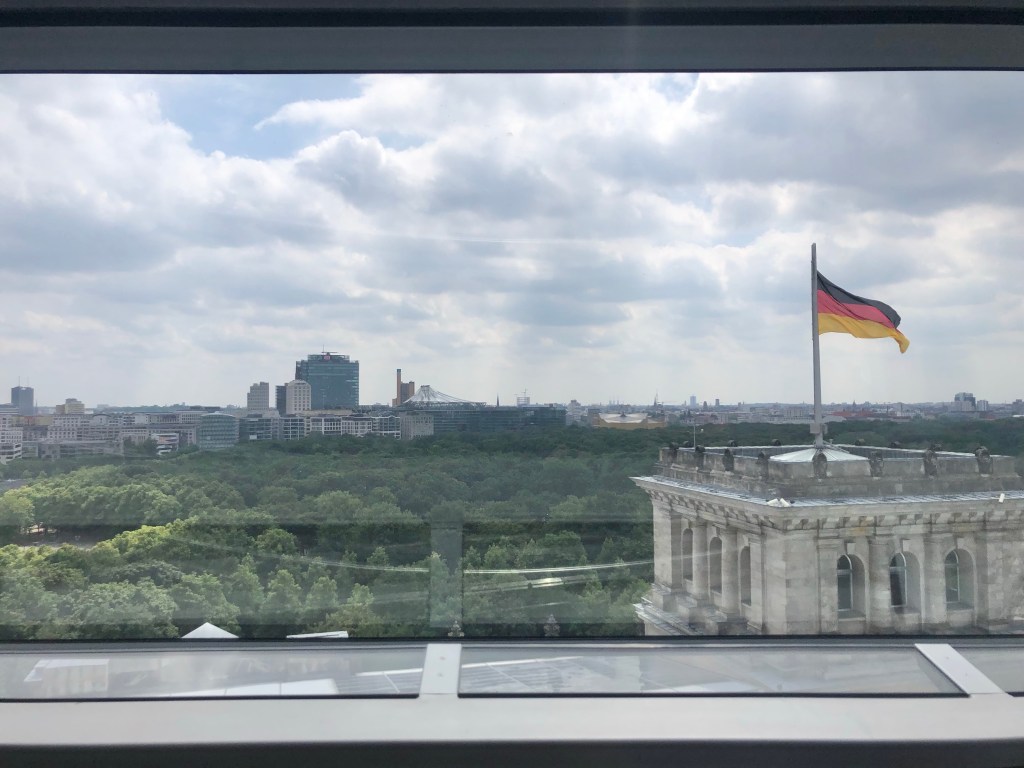
After the Reichstag, I headed to a 4 hour walking tour I had signed up for called the “Rude Bastards Tour.” The gimmick is that it’s for people 18 and over, and the tour guide can swear, make dirty jokes, etc. The tour was also genuinely informative.
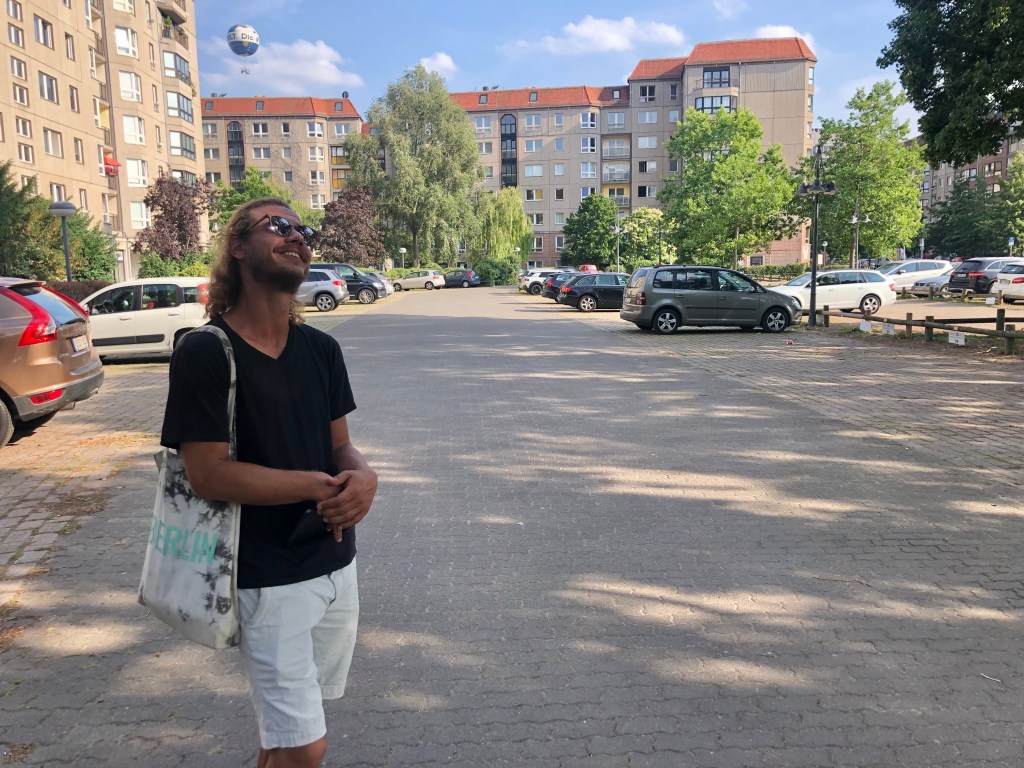
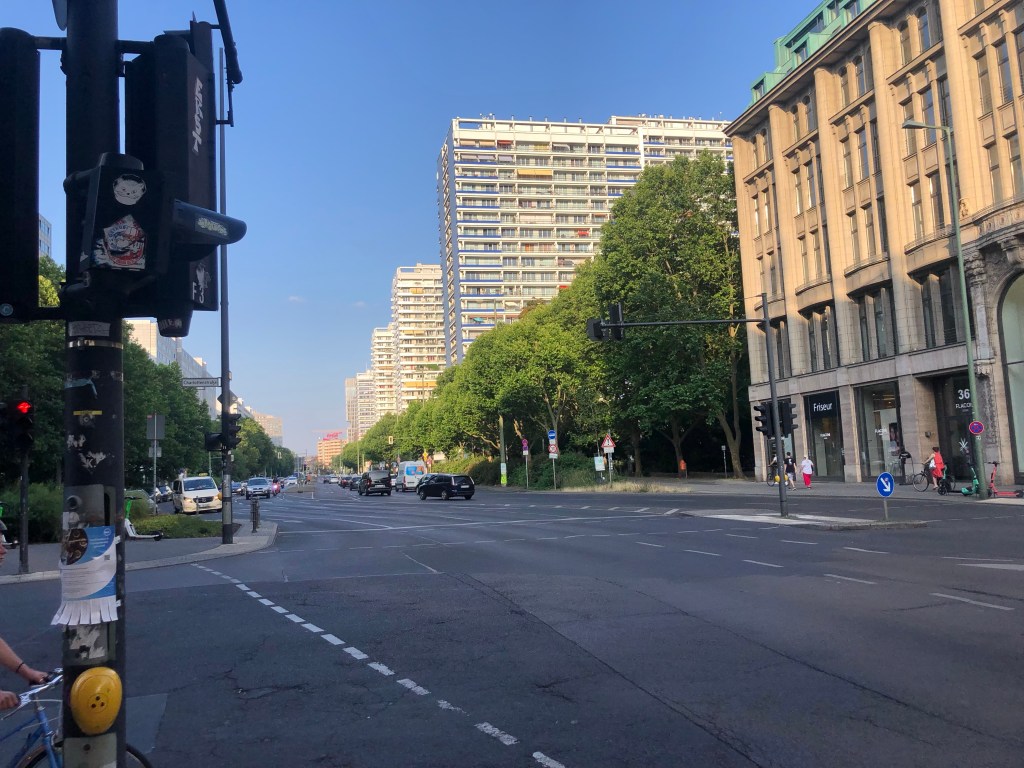
After the tour, I headed towards another quirky tourist experience — Monsterkabinett. I really only had an address for this place and not much other information other than that it was a mechanical puppet exhibition by some strange artists. I was running there because the tour went over time by 30 minutes and I was trying to make the last showtime.
So I frantically ducked into a graffiti-covered alleyway, looking for this place. I got the feeling that this area was too cool for me. It seemed like a haunt for bohemian artists and hipsters and punks.
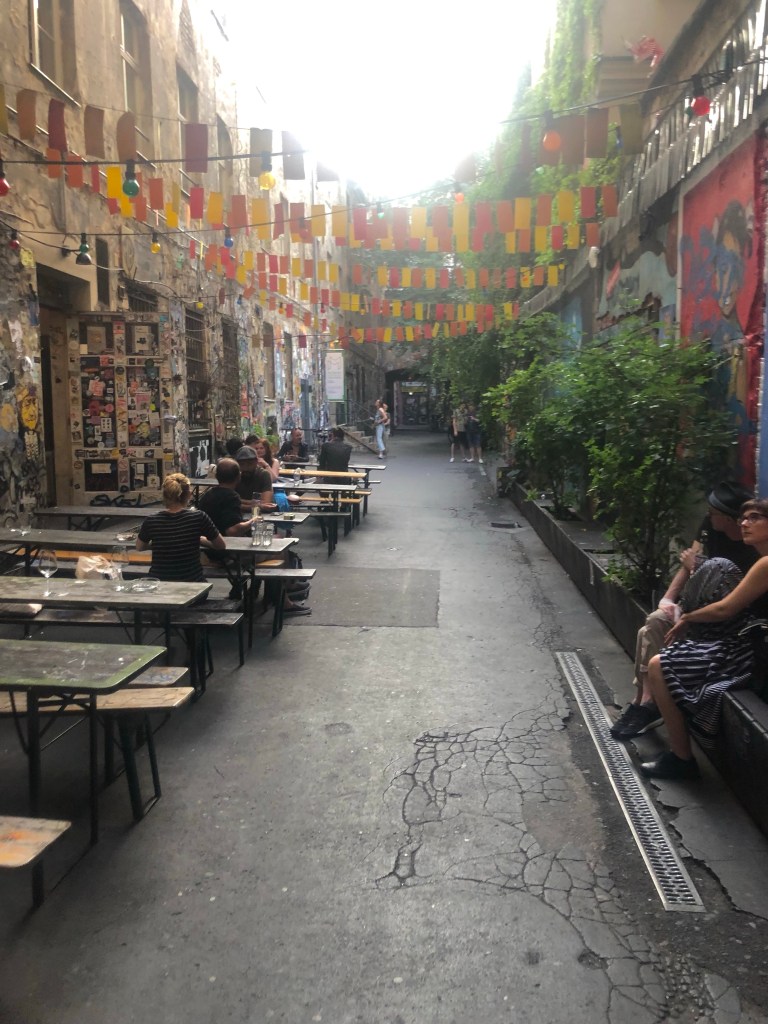

Eventually I found what I was looking for, via an easy-to-miss sign within an outdoor bar area.
An older woman with dyed black hair and a cigarette (who I assumed was a random bar patron) spoke up and asked me with a husky voice if I was there for Monsterkabinett. I handed her some euros, she gave me change from her wallet, and I was in.
Oh man… I really wish I had taken pictures, but I was too enthralled. I’ll just have to describe it well. My small tour group followed the woman downstairs into a sort of dark subterranean lair. The woman was a showman, announcing that “everything in here is alive” and ushering is forward with her flashlight. Suddenly she shined it ahead and there was a mechanical spider the size of a small car walking freely towards us with no barrier.
The whole experience was like a haunted house combined with an art show. Couples were holding on to each other for safety, desperately trying to comfort each other in this den of slightly pretentious, very impressive mechanical insanity. I had no such luck or protection, sadly. We were shown a bunch of freaky machines that got too close for comfort more than a few times. Also, there was an animatronic that got its face blown off. Like, it had a foam face and it literally exploded. Incredible.
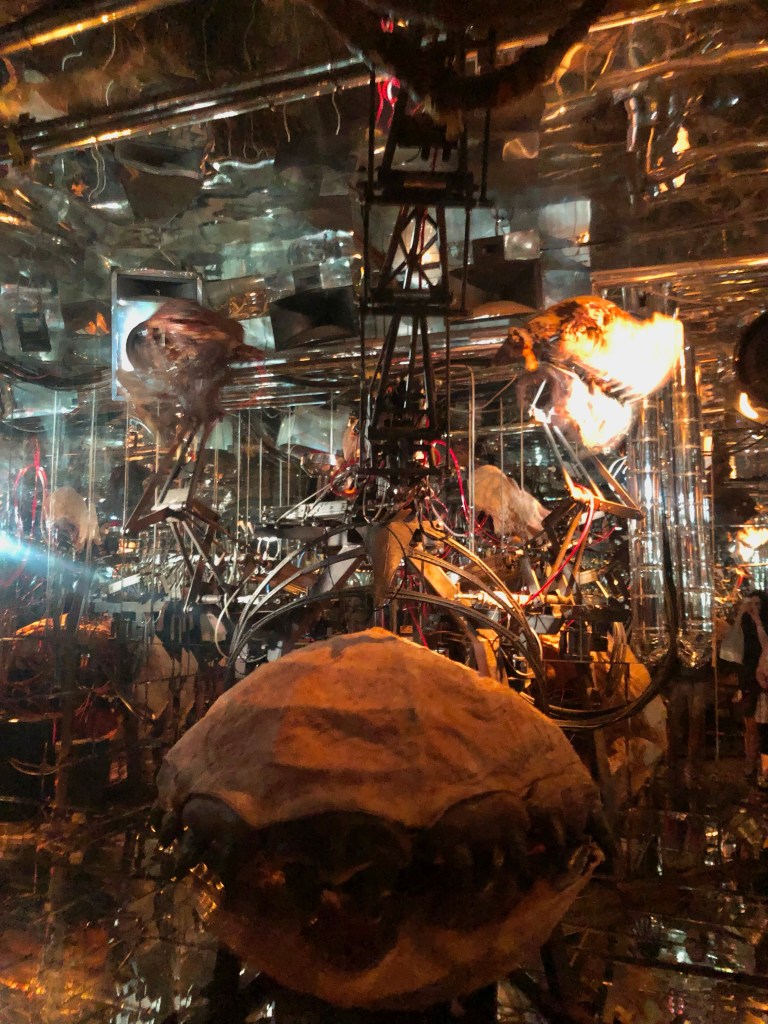
I absolutely loved it. OK now I’m bushed. More to come soon.
 Eva Adventures
2 responses to “Day VI + VII: All about Berlin, and also I get attacked by a giant robot spider”
What an amazingly eclectic group of sights today! I was in Berlin in 1978 and the city looks incredibly more vibrant than it did then. There was a gloom hanging over both East and West Berlin in those days. How are you finding things with the German language so far?
LikeLike
Eva, we are really enjoying your blogs and feel like we are seeing traveling along with you. Your descriptions and sensory input is wonderful!
Looking forward to more adventures with you. Much love!
LikeLike