First stop today was a business called Mandala Day Spa, where I’d booked an hour or so of relaxation. The outside of the spa seemed nondescript, but inside it was beautiful. Before your spa treatment, you wait in a dimly-lit room inspired by Eastern aesthetics with white walls and couches. Fruit-infused water, snacks, and tea were available too. There was even a stack of fashion magazines mounted on the restroom wall by the toilet, which made me laugh. The decor made me realize that in terms of creating a nice atmosphere, LED tea lights in pretty containers do a good job. I may copy the strategy for setting a romantic mood. (Though I wonder if there’s a way to make all the candles remote-operated. All I can imagine is myself having to go and individually switch off each LED candle like a dork.)
Anyway, Mandala seemed a lot like a typical spa you’d find in the U.S. — but of note is that a scented salt bath was included in the price, and the massage room had a bathtub inside it. The experience was excellent, which was to be expected in Europe’s “spa city.”
Budapest is known for lying over hot springs — and bathing is a huge part of the city’s culture. When Romans first settled the area, they were attracted by the steaming thermal springs and eagerly built bathhouses. Nowadays, sulfuric public baths surrounded by Neo-Renaissance and Baroque Revival architecture are iconic Budapest features. Older locals can often be seen lounging at the baths and playing “aqua chess” on floating boards (chess being a game popularized in the Soviet era).
I’m debating whether to experience one of these places for myself. A thermal bath doesn’t sound too pleasant right now… Europe is currently at the beginning of nasty summer heat wave. But I’ll check and see if there’s one open late at night. Usually, they’re best on winter days.
By the way, while indulging, it’s wise to have a good amount of the local coin in Hungary. Not all restaurants or stores take credit cards. Some do take Euros, but the exchange rate at the register will often be poor. Yesterday I went to an ATM for a good supply of forint. The machine spat out a fat stack of 1000 HUF (~$2.5 USD) bills for me. At first I was annoyed, but it’s been convenient for tipping.
Next I had lunch at a sushi restaurant:

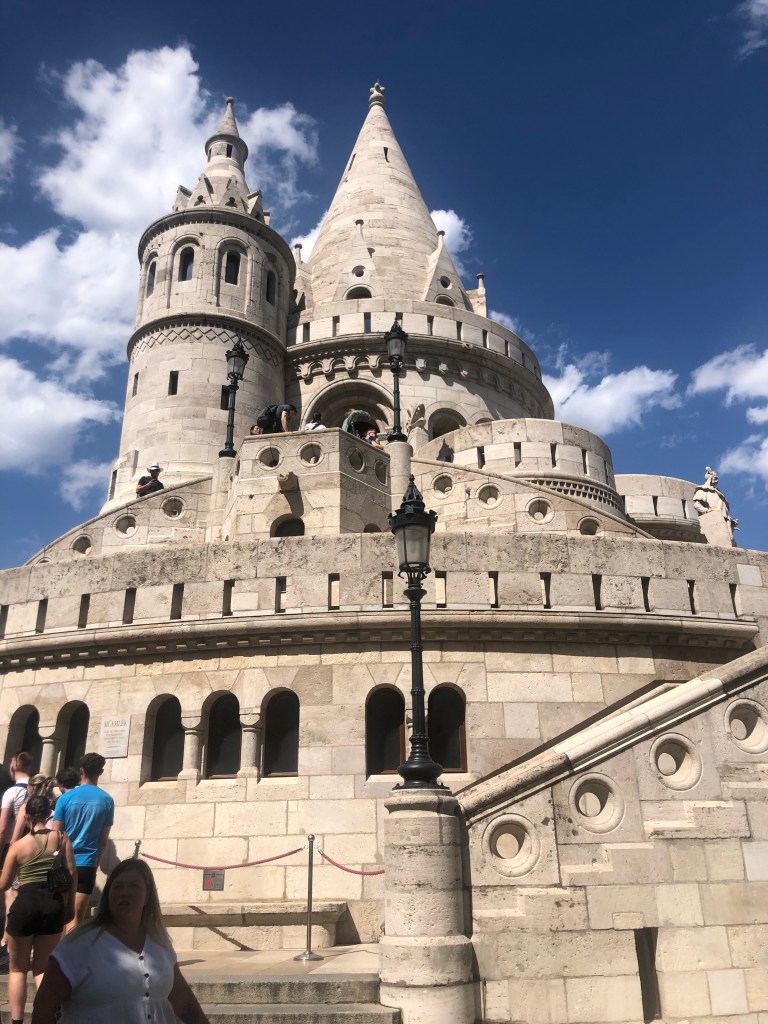
And after that, I walked to a scenic overlook with Roman architecture — Fisherman’s Wharf. This is a famous landmark. As soon as I climbed up, I heard “O-ohh! There’s the bride!!” In fact, there were no less than four brides doing various things (partying with bridesmaids, wedding in progress, having a photoshoot…) Here are some pictures from my walk there. Honestly, it was really hot, and cramming myself full of food + the very high temperatures + having just walked out of a massage made me a dumb, ambling ox. I still enjoyed the view, though.
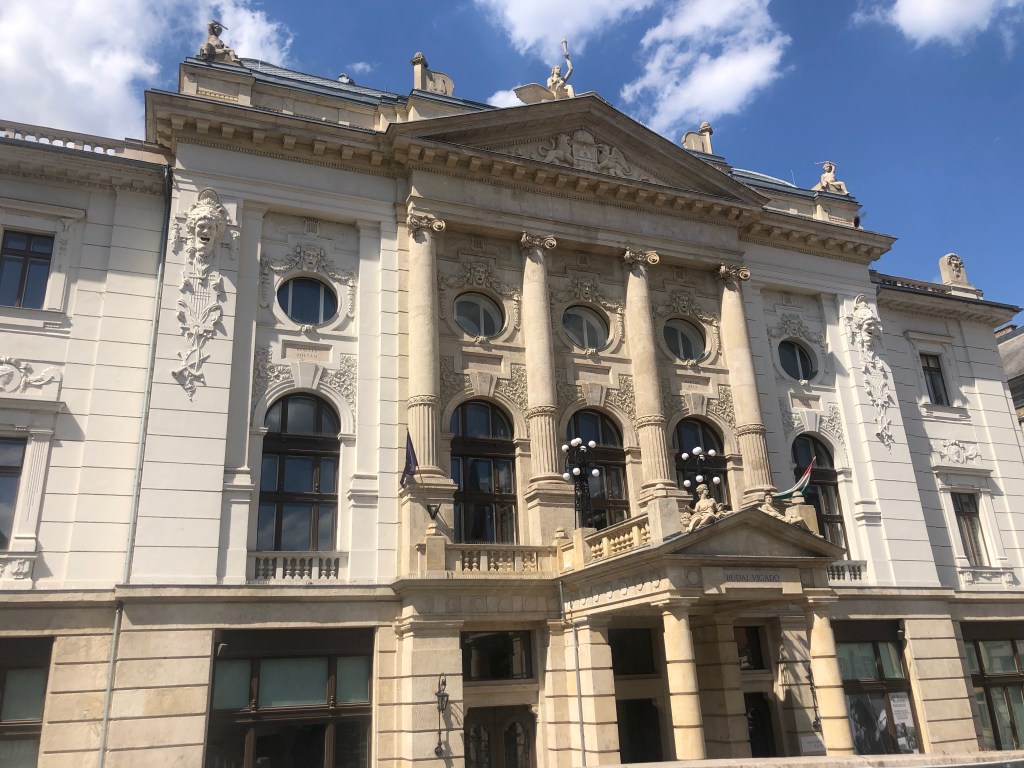
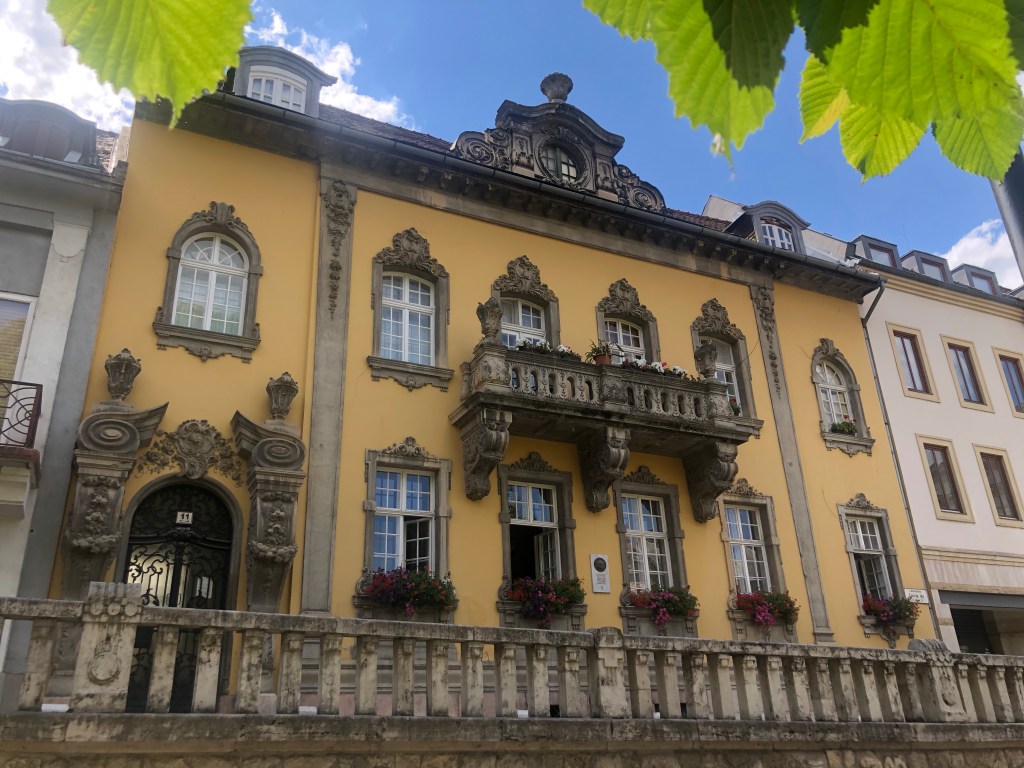
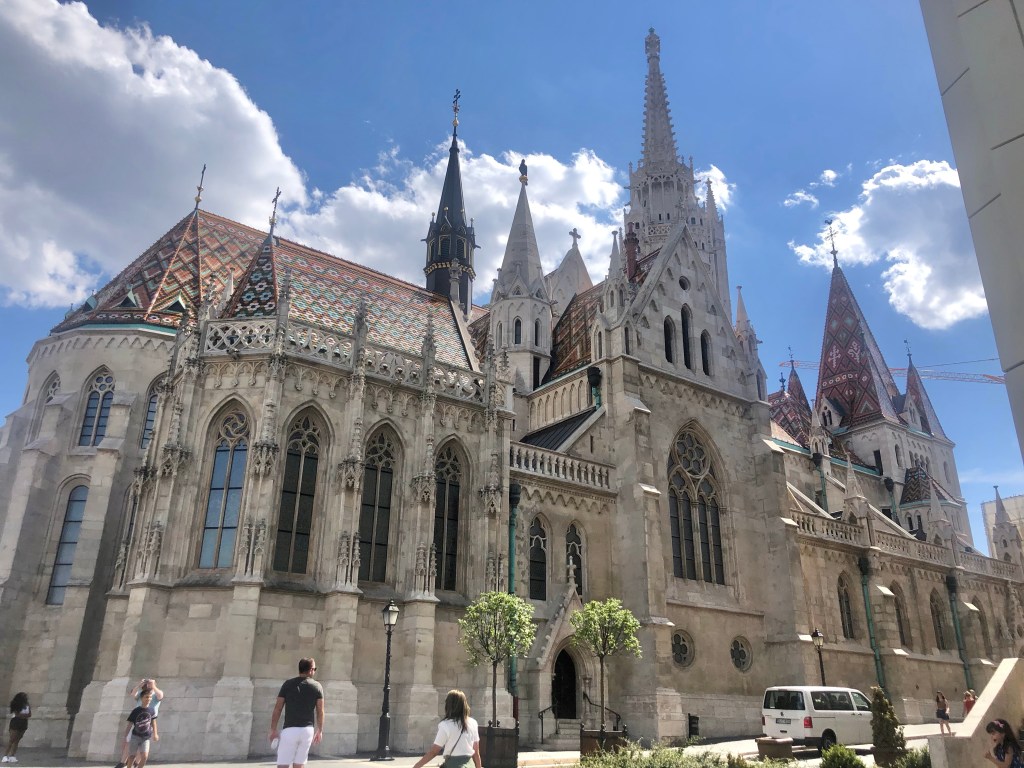
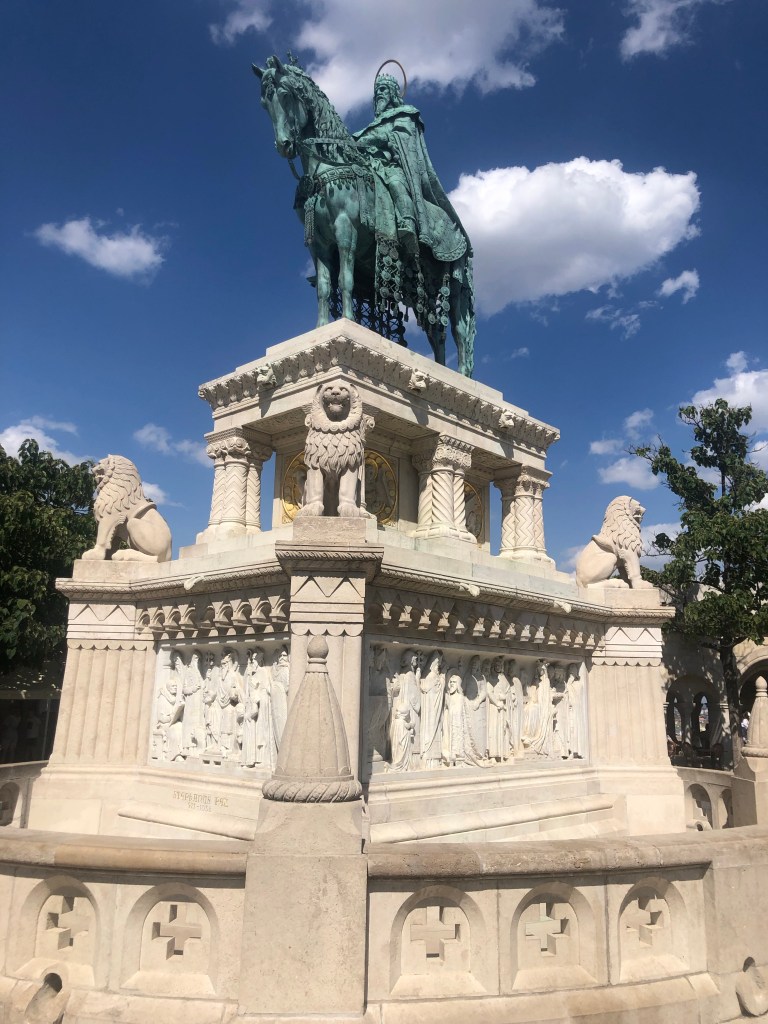


Since I got such a good view of Parliament, now is a good time to talk about the contemporary politics of Hungary. Just a few days ago, NPR published a story about how American conservatives have a working relationship with Viktor Orbán, Hungary’s Prime Minister since 2010.
How the American right became aligned with Hungary and its authoritarian leader – https://www.npr.org/2022/07/13/1111274698/how-the-american-right-became-aligned-with-hungary-and-its-authoritarian-leader
In short, Viktor Orbán has slowly been rewriting the Hungarian constitution during his time as PM. He’s making subtle changes in Hungary that cause the country to creep towards an autocracy. Orbán’s manipulations have made it easier for his own supporters to vote, and harder for his opponents. He has heavily gerrymandered voting districts, as well.
In some ways, Hungary has become a “laboratory” for the American right. The Florida “Don’t Say Gay” bill, which banned discussion around gay or transgender topics in public schools, was based on a similar bill (and propaganda blast) from Órban. In general, American conservatives look to Órban as a version of themselves who are free say the quiet part out loud — the laws of the state should enforce the church’s will, families should only be composed of a man and woman / LGBTQ people are to be conflated with perverts, borders should be totally closed to Muslim immigrants, etc.
American conservatives such as Tucker Carlson view these autocratic, Christofacist shifts in Hungary as aspirational. However, Hungary is taking some heat for Órban’s decisions. The EU is suing Hungary for its anti-LGBT laws, as well as its silencing of the liberal opposition’s only radio station. (The station was denied a license renewal and forced off the airwaves a year ago.) Ultimately, Hungary may be denied over 40 million Euros in EU funding if the lawsuit proceeds.
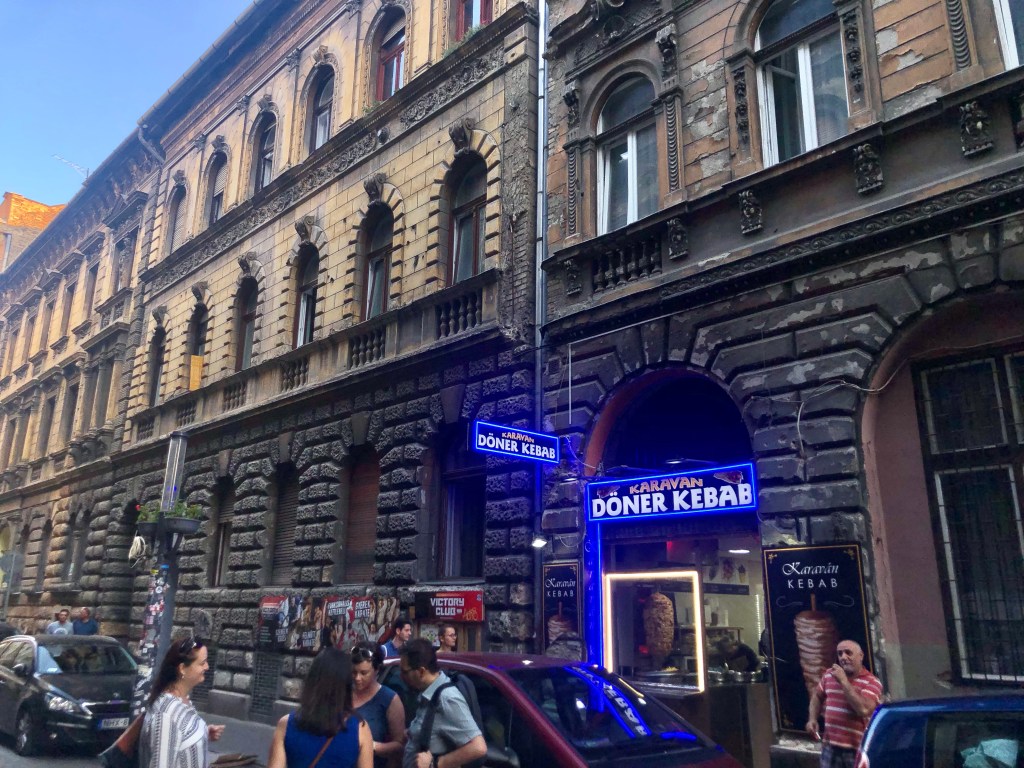
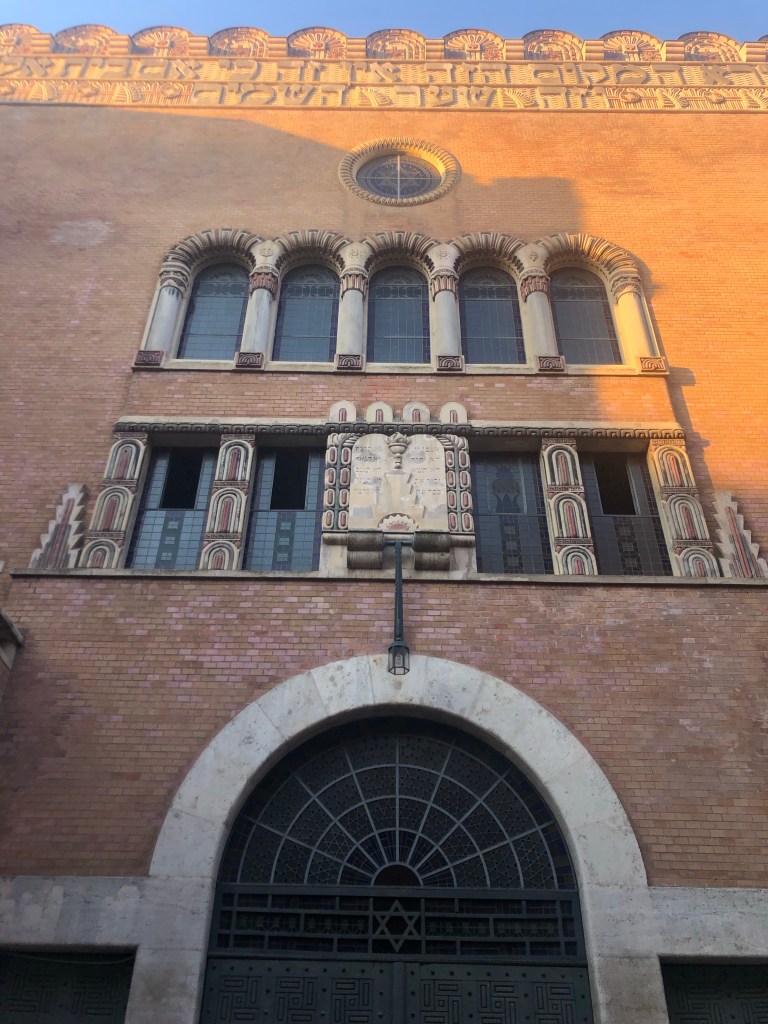
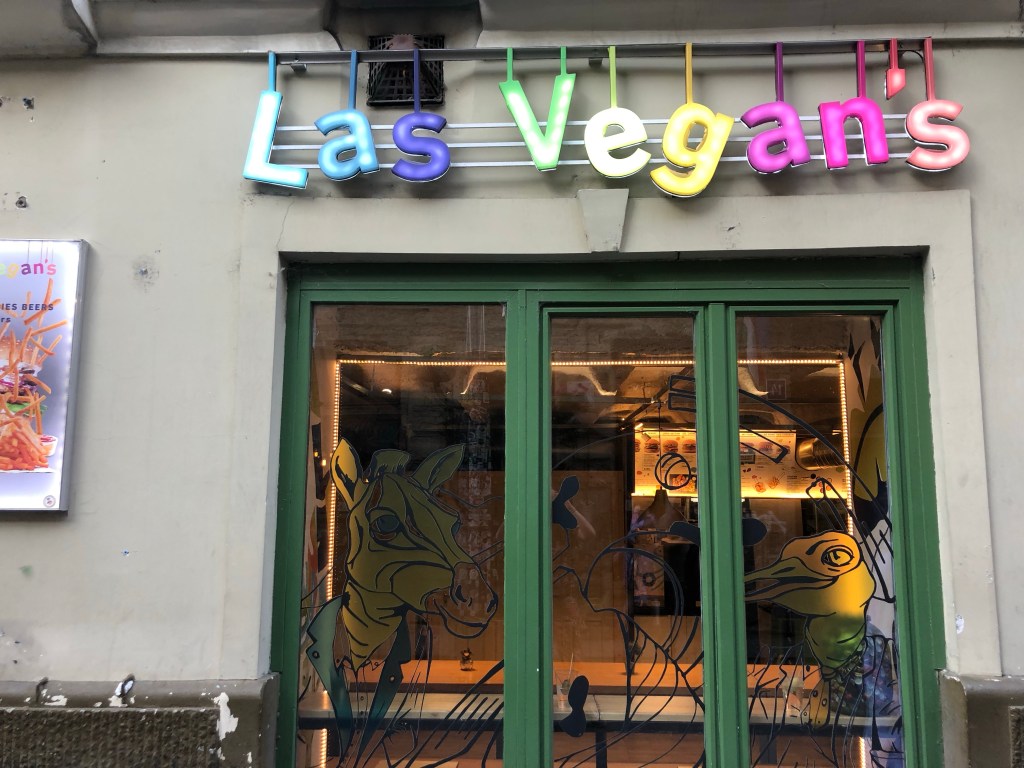
But back to the fun — Budapest is also famous for its “ruin bars,” set up in abandoned buildings. The area near Maverick Lodge (my hostel) is the Jewish district, and there’s a large compound of ruin bars there.
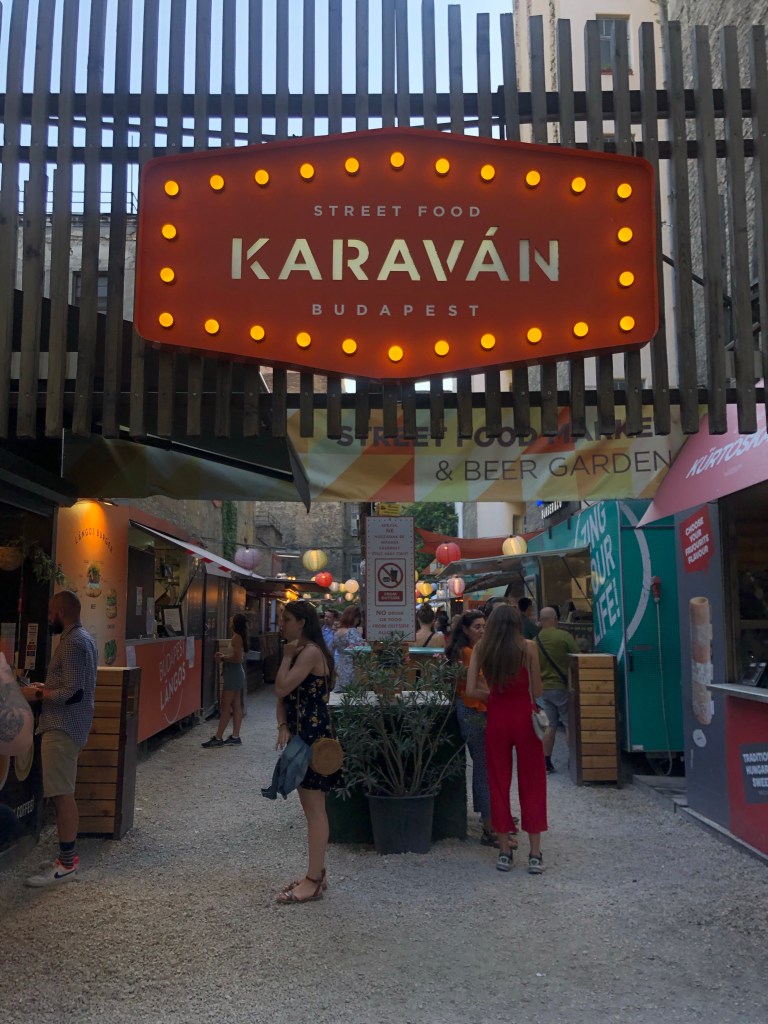
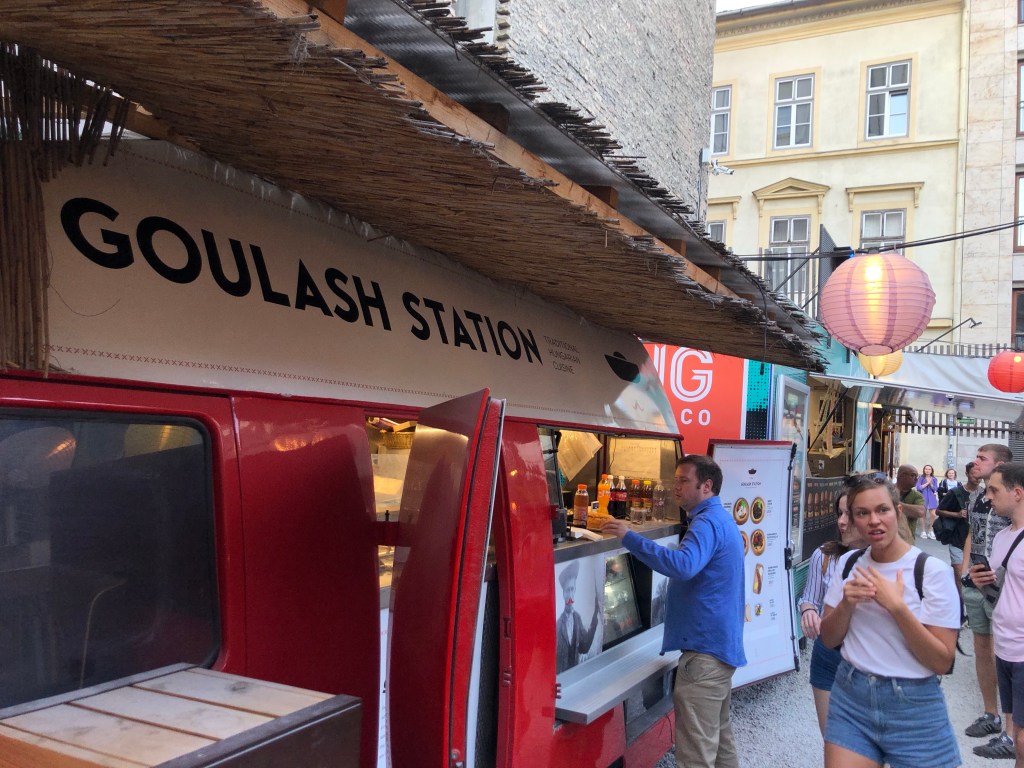

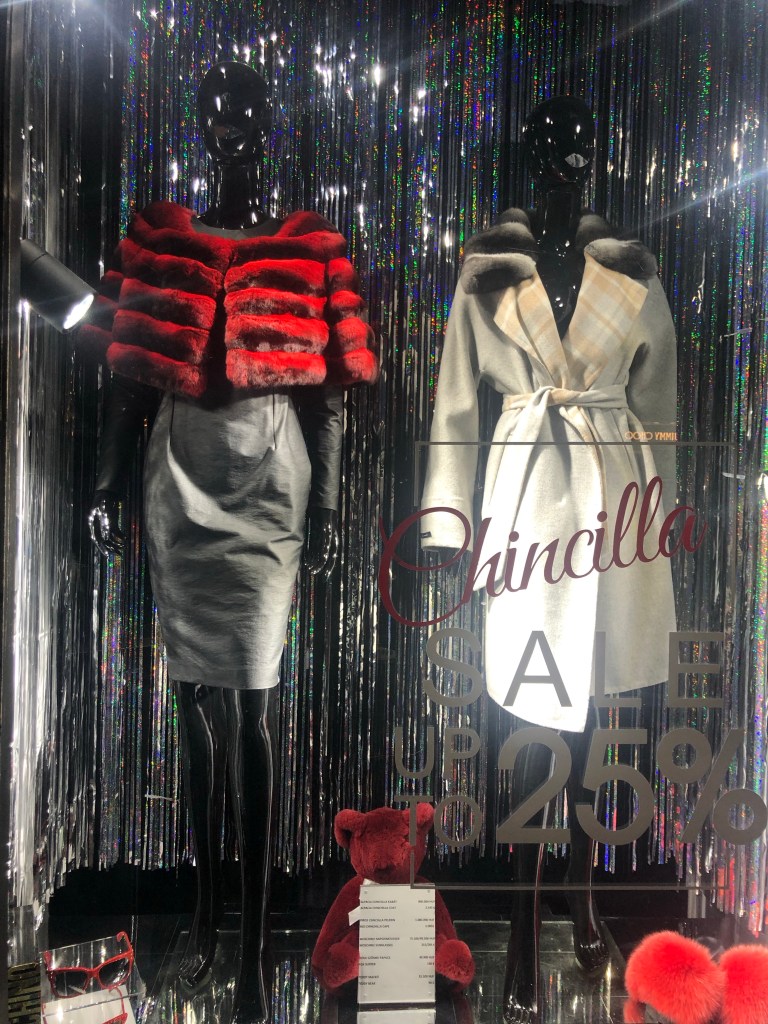
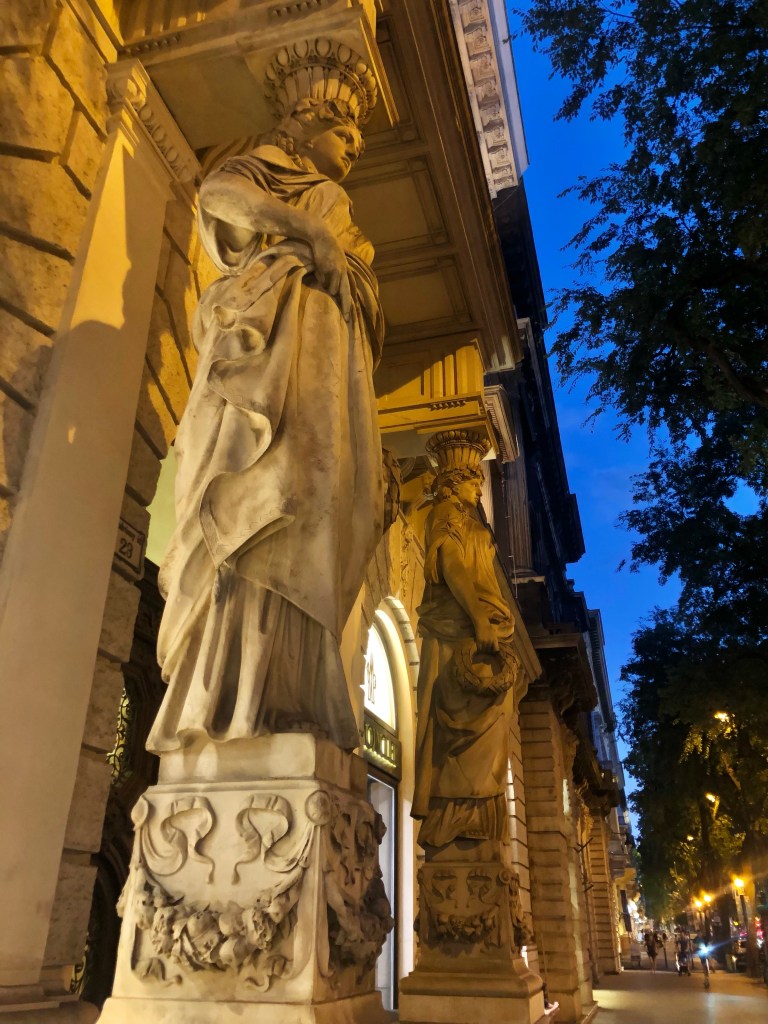
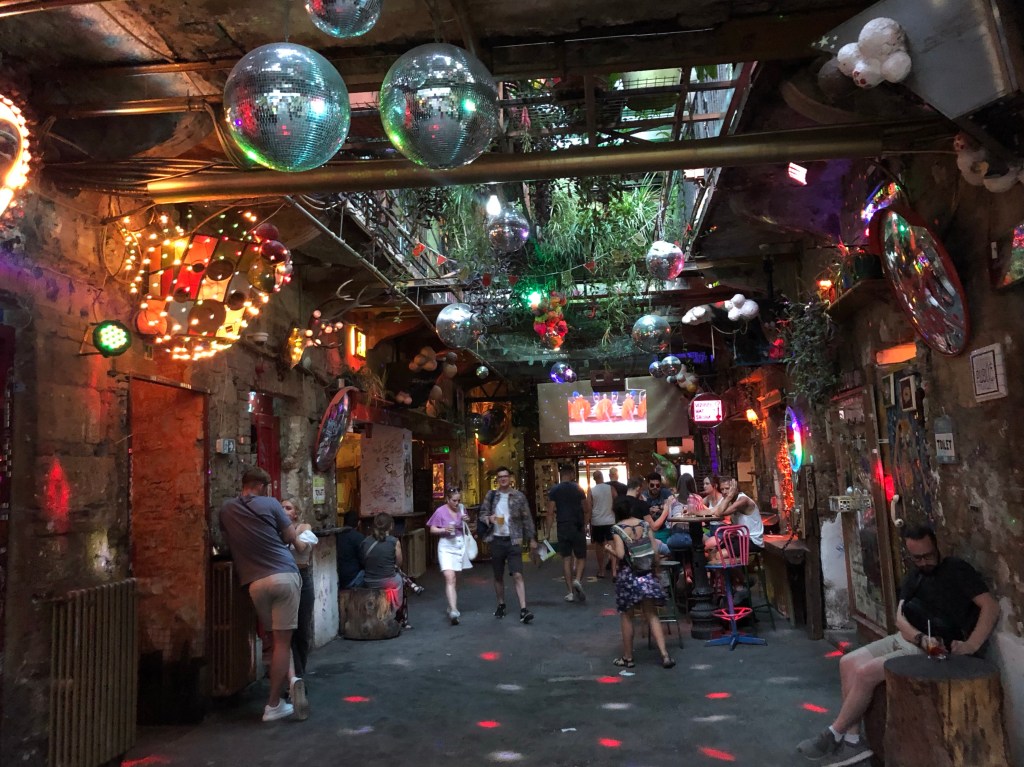
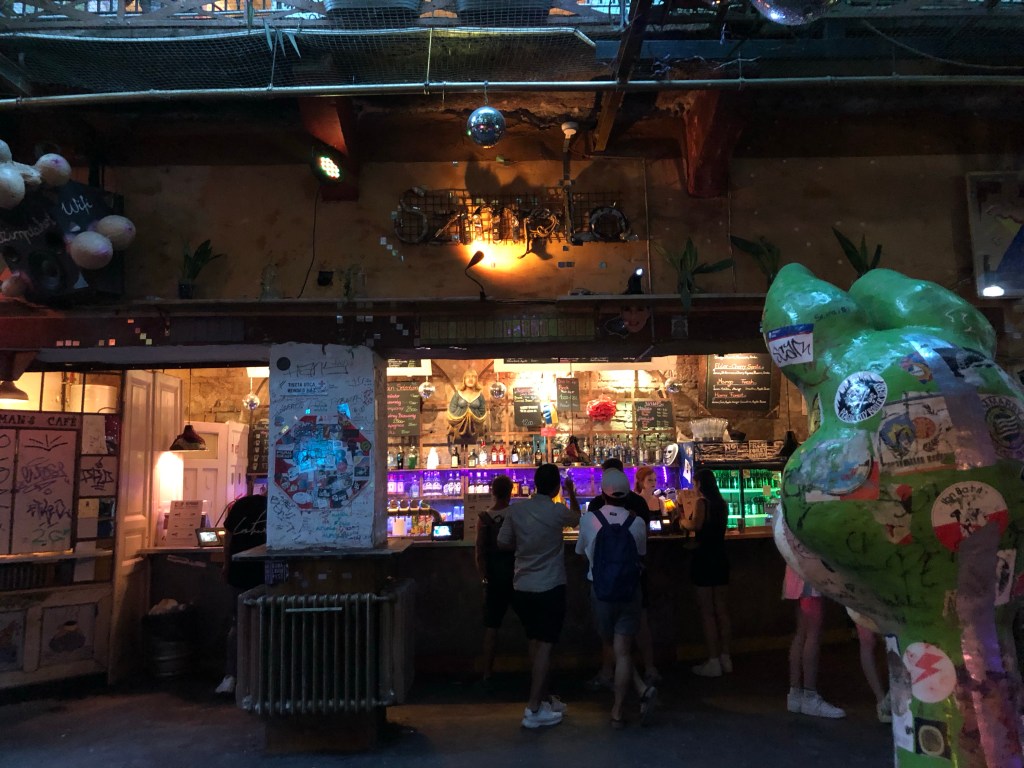
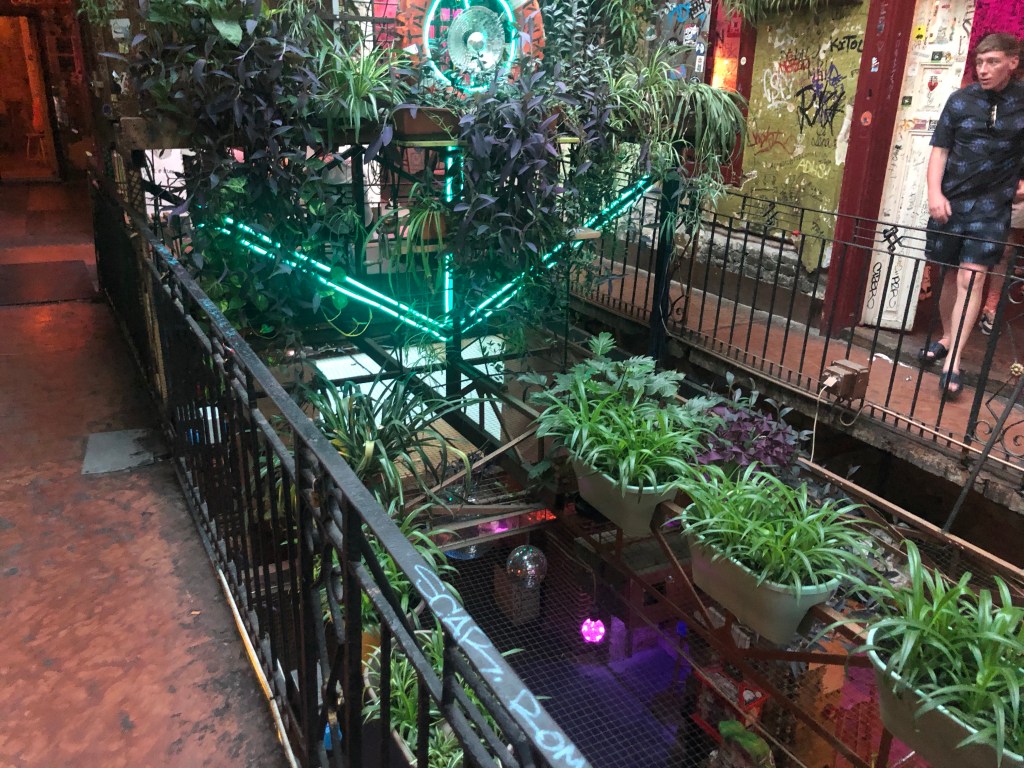
I also looked up some of the songs that were playing. Here’s a sample of what the trendy Budapest ruin bars sounded like, so you can really feel the mood:


4 responses to “Day XXIII: Spas and ruin bars”
The architecture is so beautiful! Are you able to go inside the parliament building or tour it? Also, I notice a number of signs are in English. Is that the international language of tourism in Hungary?
LikeLike
Yes, you can tour Parliament if desired (I skipped it though). And yes, actually MOST places have English text alongside the Hungarian, or even English only! I think this is because so few tourists will know Hungarian, and English is the sort of default international second language. Some museums also offer German, Russian, or Italian translations, but English is far and away the most common.
LikeLike
Also I’d like to mention this isn’t the case in Germany or the Netherlands. Usually there, you won’t find an English translation in most smaller businesses
LikeLike
The ruin bar reminds me of the waiting room in Beetlejuice
LikeLike